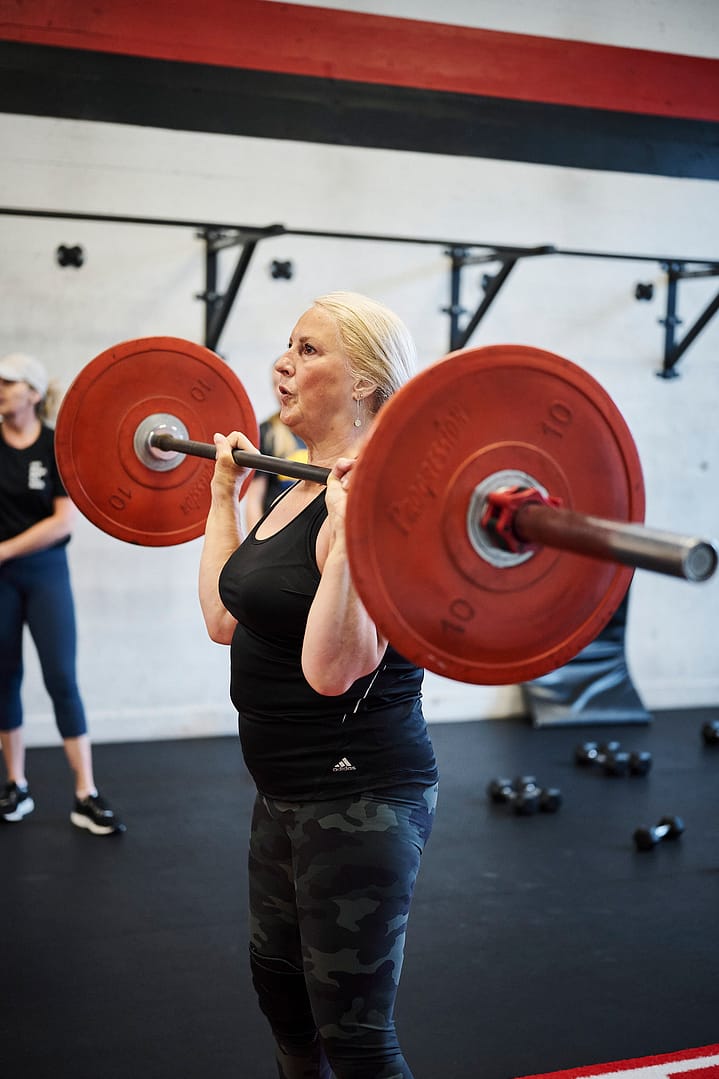

When you’re working hard to build muscle, get stronger, or improve your fitness, it can be tempting to train every day. More workouts should mean faster results…right?
Not exactly.
One of the biggest misconceptions in fitness is that muscles grow while you’re lifting weights. In reality, muscle growth happens during recovery.
At BPM Fitness Centre, we encourage our members to train with purpose, but we also teach them the importance of recovering just as intentionally. Rest days are one of the most effective ways to improve performance, reduce injury risk, and continue making progress.
Muscle Is Built During Recovery
Every strength workout creates tiny amounts of stress within your muscle fibres. Once your workout is over, your body gets to work repairing those fibres through a process called muscle protein synthesis, rebuilding them stronger than before.
Without enough recovery time, however, your body can’t fully complete this process. Instead, fatigue accumulates, performance declines, and your risk of injury increases.
Recovery isn’t taking time away from your goals—it’s an essential part of reaching them.
What Happens on a Rest Day?
Even though you’re not training, your body is still working hard behind the scenes. During recovery, your body:
- Repairs muscle tissue
- Builds new muscle fibres
- Replenishes glycogen (stored carbohydrates)
- Restores your nervous system
- Reduces inflammation
- Balances hormones
- Repairs connective tissue
- Prepares you for your next workout
That’s why coaches often say: “Training provides the stimulus. Recovery creates the adaptation.”
More Training Doesn’t Always Mean Better Results
Many people believe exercising seven days a week is the fastest path to success. Unfortunately, consistently training without adequate recovery often has the opposite effect.
Too little recovery can contribute to:
- Slower muscle growth
- Reduced strength gains
- Constant soreness
- Poor sleep
- Lower motivation
- Increased injury risk
- Declining workout performance
Over time, this can lead to non-functional overreaching or even overtraining syndrome, making it harder—not easier—to reach your fitness goals.
Signs You Need a Rest Day
Your body is usually very good at telling you when it needs recovery. Watch for signs like:
- Workouts suddenly feel harder than usual
- Persistent muscle soreness
- Low energy throughout the day
- Difficulty sleeping
- Lack of motivation
- Elevated resting heart rate
- Achy joints
- Declining performance
At BPM Fitness Centre, our coaches help members recognize these signs and adjust training intensity when needed, allowing for consistent progress without unnecessary setbacks.
Rest Days Help Build More Muscle
Many people worry they’ll lose progress if they take a day off.
In reality, the opposite is usually true.
When resistance training is combined with proper nutrition and adequate recovery, your muscles continue repairing and strengthening long after your workout has ended.
Skipping every rest day doesn’t accelerate muscle growth—it often slows it down.
Sleep Is Your Best Recovery Tool
If exercise is the stimulus, sleep is where much of the recovery happens.
During deep sleep, your body:
- Releases growth hormone
- Repairs damaged tissues
- Supports muscle protein synthesis
- Restores the nervous system
- Replenishes energy stores
Most adults should aim for 7–9 hours of quality sleep each night, while athletes or individuals training frequently may require even more to support optimal recovery and performance.
Active Recovery Counts Too
Rest days don’t have to mean sitting on the couch all day.
Many people benefit from active recovery, which promotes circulation and reduces stiffness without creating additional fatigue.
Great active recovery options include:
- Walking
- Cycling
- Mobility work
- Stretching
- Yoga
- Swimming
- Foam rolling
Many BPM members also include our Contrast Therapy sessions—combining sauna and cold plunge—as part of their weekly recovery routine.
Don’t Forget Nutrition
Recovery doesn’t stop because you’re taking a day off.
Your muscles still require:
- High-quality protein
- Healthy carbohydrates
- Healthy fats
- Vitamins and minerals
- Plenty of hydration
Eating well on your rest days gives your body the resources it needs to repair muscle and prepare for your next workout.
How Many Rest Days Do You Need?
Recovery needs vary based on your training volume, intensity, age, sleep quality, nutrition, stress levels, and experience.
As a general guideline:
- Beginners: 2–3 rest days each week
- Intermediate exercisers: 1–2 rest days weekly
- Advanced athletes: Planned recovery through lighter sessions, deload weeks, and active recovery
At BPM Fitness Centre, our programming is carefully designed to balance progressive overload with strategic recovery, ensuring members continue improving without burning out.
Recovery Is Built Into Every BPM Program
Our experienced coaches don’t simply push you harder every session—they carefully manage training intensity so you can recover properly, avoid injury, and continue progressing over the long term.
For additional support, explore our:
To Summarize
Rest days aren’t a setback—they’re one of the most productive parts of your training.
By combining challenging workouts with quality sleep, proper nutrition, and intentional recovery, you’ll build more muscle, improve strength, reduce injury risk, and perform at your best.
At BPM Fitness Centre, we believe the strongest athletes aren’t simply the ones who train the hardest—they’re the ones who recover the smartest.
If you’re ready to train with coaches who understand both performance and recovery, we’d love to help you achieve your goals.
References
- Sousa, C. A., Zourdos, M. C., Storey, A. G., & Helms, E. R. (2024). The importance of recovery in resistance training: Microcycle construction. Sports Medicine – Open, 10. https://pmc.ncbi.nlm.nih.gov/articles/PMC11057610/
- Doherty, R., Madigan, S., Warrington, G., & Ellis, J. (2021). The sleep and recovery practices of athletes. Nutrients, 13(4), 1330. https://pmc.ncbi.nlm.nih.gov/articles/PMC8072992/
- Lamon, S., et al. (2021). The effect of acute sleep deprivation on skeletal muscle protein synthesis and the hormonal environment. The Journal of Physiology, 599(21), 5201–5215. https://pmc.ncbi.nlm.nih.gov/articles/PMC7785053/
- Grgic, J., Schoenfeld, B. J., Davies, T. B., Lazinica, B., Krieger, J. W., & Pedisic, Z. (2018). Effect of Resistance Training Frequency on Gains in Muscular Strength: A Systematic Review and Meta-Analysis. Sports medicine (Auckland, N.Z.), 48(5), 1207–1220. https://pubmed.ncbi.nlm.nih.gov/29470825/