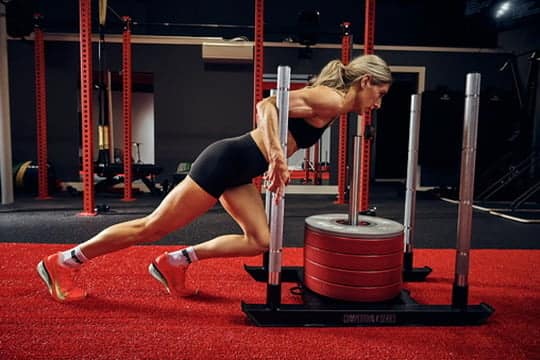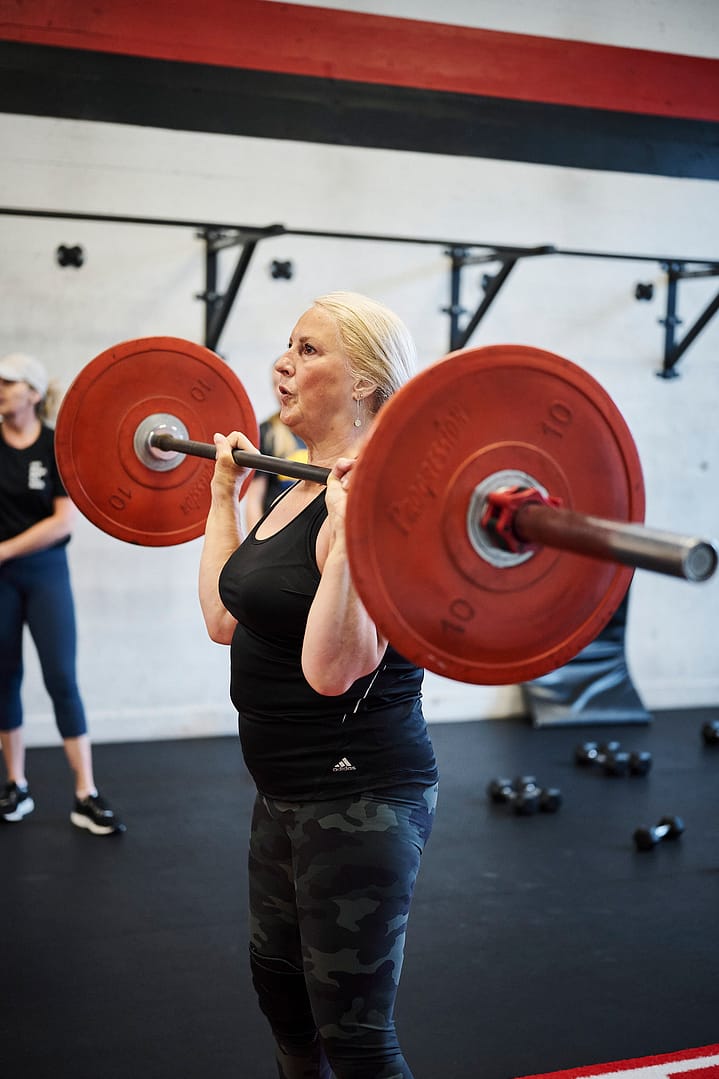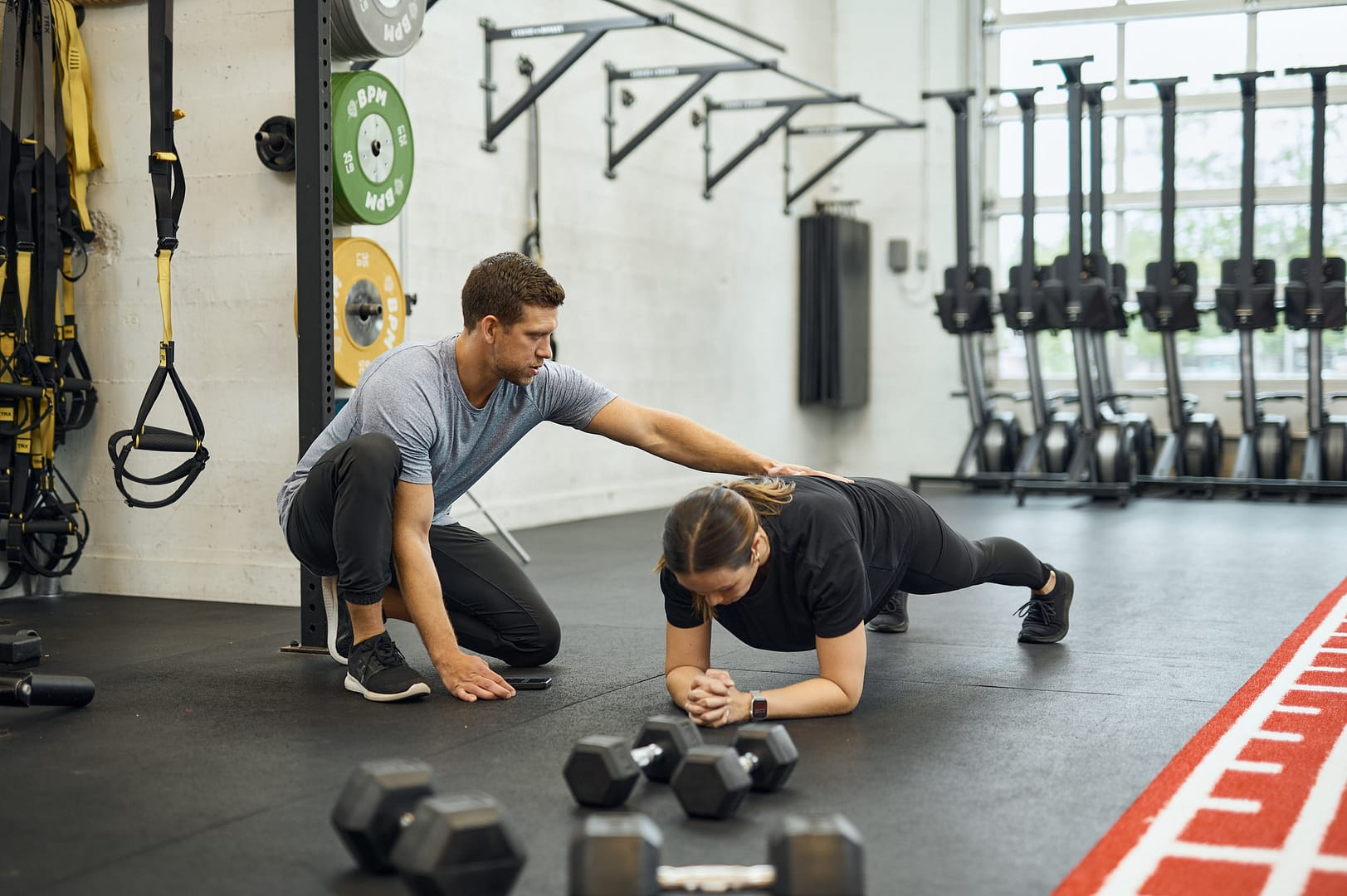
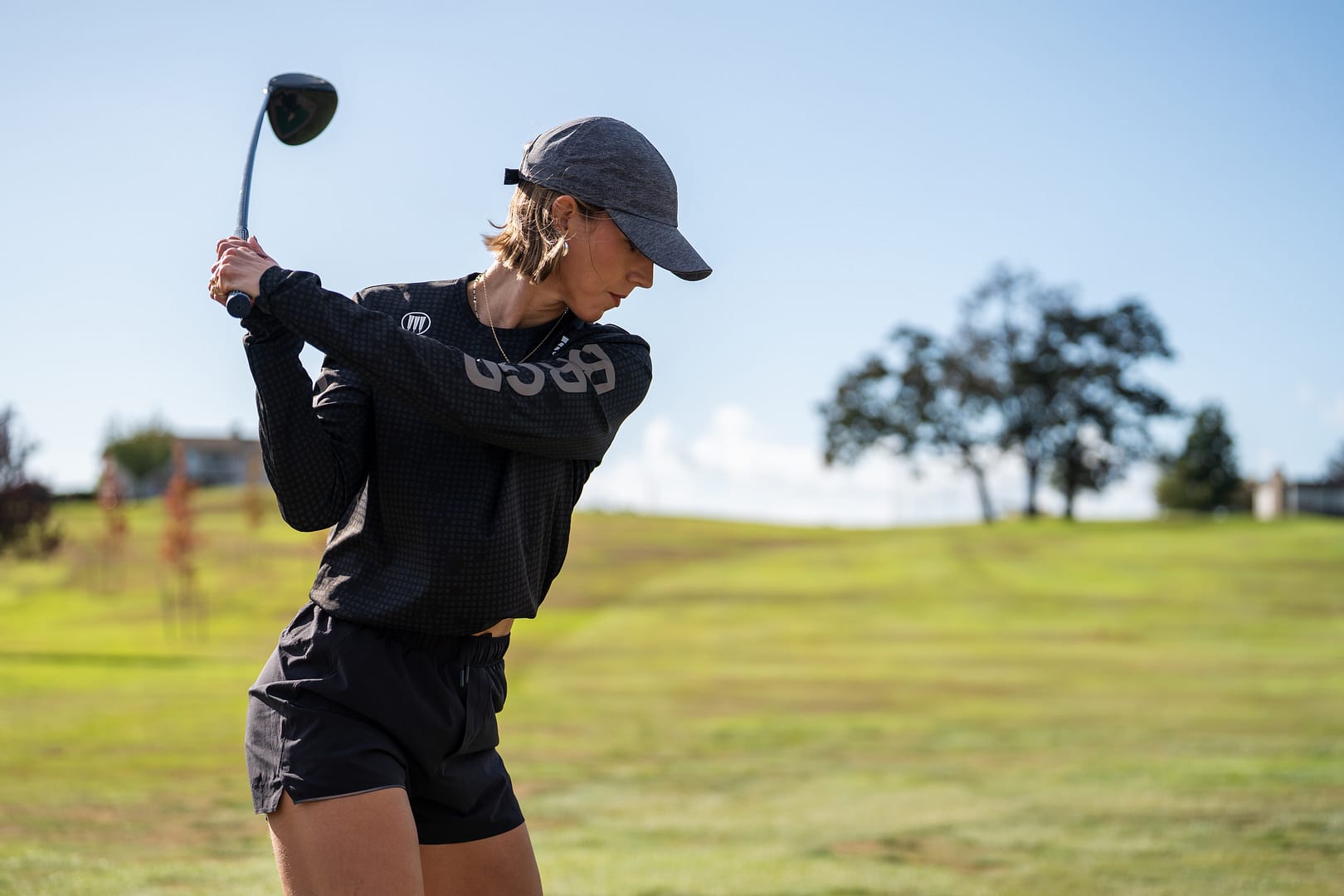
If you want to hit the ball farther, improve consistency, and play pain-free for years to come, strength training for golf should be a cornerstone of your game. While many golfers spend countless hours on the driving range refining technique, the athletes seeing the biggest improvements understand that performance starts long before stepping onto the first tee.
At BPM Fitness Centre in Victoria, BC, we help golfers of all ages and skill levels develop the strength, mobility, power, and endurance needed to perform at their best. Whether you’re a competitive player chasing lower scores or a recreational golfer looking to enjoy more rounds without aches and pains, our evidence-based training programs are designed to complement—not replace—your time on the course.
Why Strength Training Matters for Golf Performance
Modern golf is no longer just a game of technique. Today’s top professionals train like elite athletes because they understand that physical preparation directly impacts performance.
A well-designed golf strength training program can help improve:
- Clubhead speed
- Driving distance
- Rotational power
- Swing consistency
- Balance and stability
- Walking endurance over 18 holes
- Injury resilience
- Recovery between rounds
At BPM Fitness Centre, we focus on developing the entire athlete rather than simply strengthening individual muscles.
The Physical Demands of Golf
Although golf may appear low intensity, the golf swing is one of the fastest rotational movements in sport.
During a single round, golfers may:
- Walk 8–10 km
- Perform over 70 full-power swings
- Rotate their spine hundreds of times
- Carry or push equipment
- Maintain concentration for four or more hours
Without adequate strength and mobility, these repetitive demands often contribute to common issues such as:
- Low back pain
- Shoulder discomfort
- Elbow injuries
- Hip stiffness
- Reduced swing speed
- Fatigue late in the round
This is where structured functional strength training for golfers becomes invaluable.
The Four Pillars of Golf Fitness
At BPM Fitness Centre, our golf performance programming is built around four key physical qualities.
1. Lower Body Strength
Power in the golf swing begins from the ground up.
Strong legs allow golfers to generate more force into the ground, creating faster clubhead speeds while maintaining stability throughout the swing.
Exercises commonly included include:
- Squats
- Split squats
- Romanian deadlifts
- Step-ups
- Trap bar deadlifts
Improving lower body strength doesn’t just increase distance—it also helps golfers stay balanced during uneven lies and throughout long rounds.
2. Rotational Power
Golf is a rotational sport.
Generating power efficiently requires coordinated movement through the hips, core, and upper body.
Rather than endlessly performing crunches, we focus on movements such as:
- Medicine ball rotational throws
- Cable rotations
- Landmine presses
- Anti-rotation core exercises
- Pallof presses
These exercises help golfers create more explosive rotational force while improving control throughout the swing.
3. Mobility and Flexibility
Many golfers believe flexibility alone is enough.
In reality, mobility—the ability to actively move through a full range of motion—is often far more important.
Limited hip or thoracic spine mobility frequently causes golfers to compensate through the lower back, increasing injury risk.
Our coaches assess mobility in areas including:
- Hips
- Thoracic spine
- Shoulders
- Ankles
- Core stability
This allows us to build individualized mobility programs that improve swing mechanics without sacrificing stability.
4. Stability and Balance
Every golf swing occurs on one leg for portions of the movement.
Improving balance leads to:
- More consistent ball striking
- Better weight transfer
- Improved sequencing
- Reduced sway
- Increased control under pressure
Single-leg exercises, loaded carries, and proprioceptive drills become important components of every golf training program.
Strength Training Helps Prevent Golf Injuries
Many golfers begin strength training only after pain develops.
Instead, resistance training should be viewed as preventative medicine.
Research consistently demonstrates that properly prescribed strength training improves tissue capacity, making muscles, tendons, and joints more resilient to repetitive stress.
At BPM Fitness Centre, we commonly work with golfers experiencing:
- Chronic low back pain
- Shoulder irritation
- Tennis elbow
- Hip stiffness
- Reduced mobility after surgery
- General age-related strength loss
By addressing movement limitations before they become injuries, golfers can continue enjoying the sport for decades.
Age Should Never Be a Barrier
One of the biggest misconceptions is that older golfers should avoid lifting weights.
The opposite is true.
As we age, we naturally lose muscle mass, bone density, balance, and power.
Strength training helps preserve all of these while improving confidence and independence.
Many of our golfers over 60 find that after several months of training they experience:
- Longer drives
- Less fatigue
- Better posture
- Improved walking endurance
- Fewer aches after playing
- More confidence carrying clubs
The goal isn’t bodybuilding—it’s maintaining athleticism for life.
Golf Performance Starts with Movement Quality
Before increasing weight, we ensure movement quality is excellent.
Every golfer moves differently.
That’s why our coaches assess:
- Squat mechanics
- Hip mobility
- Core control
- Shoulder function
- Balance
- Rotational movement
This allows us to build a program that addresses your individual limitations instead of following a generic online workout.
Take Your Golf Fitness Journey to the Next Level
Improving your golf game doesn’t always require buying new clubs or changing your swing.
Often, the greatest gains come from improving the body swinging the club.
By increasing strength, developing rotational power, improving mobility, and building resilience against injury, golfers can unlock greater consistency, distance, and longevity on the course.
If you’re ready to take your game to the next level, BPM Fitness Centre offers Personal Training, small group fitness, running and movement assessments, and evidence-based programming tailored to your goals.
But that’s not all!
BPM Fitness Centre is also offering our 3rd Annual Fitness on the Fairway event on Sunday, September 27th at Mount Douglas Golf Course!
Fitness On The Fairway isn’t your average tournament, this 9-hole scramble-style event features challenges at every hole to promote camaraderie and community in a welcoming and fun environment perfect for any skill-level. Whether you’re new to golf, or a seasoned slicer, join us for a memorable day filled with golf, prizes, awards, and an after party at the Rack Bistro.
Registration opens on July 6th, so don’t miss out!
BPM Fitness on the Fairway
- When: Sunday, September 27th (Tee times 2:30pm onward)
- Where: Mount Douglas Golf Course (4225 Blenkinsop Road)
- After Party/Awards: The Rack Bistro (1550 Cedar Hill Cross Road)
- Cost: $69.99
- Includes: Individual green free, swag bag, and prizes!
References
- Uthoff, A., Sommerfield, L. M., & Pichardo, A. W. (2021). Effects of resistance training methods on golf clubhead speed and hitting distance: A systematic review. Journal of Strength and Conditioning Research, 35(9), 2651–2660. https://pubmed.ncbi.nlm.nih.gov/34224506/
- Ehlert, A. (2020). The effects of strength and conditioning interventions on golf performance: A systematic review. Journal of Sports Sciences, 38(23), 2720–2731. https://pubmed.ncbi.nlm.nih.gov/32723013/
- Robinson, L., Murray, A., Ehlert, A., Wells, J., Jarvis, P., Turner, A., Glover, D., Coughlan, D., Hembrough, R., & Bishop, C. (2023). Effects of physical training and associations between physical performance characteristics and golf performance in female players: A systematic review with meta-analysis. Journal of Strength and Conditioning Research, 37(12), e646–e655. https://pubmed.ncbi.nlm.nih.gov/37566806/
- Brazier, T. A., & colleagues. (2025). The effect of physical training on hitting performance in sport. International Journal of Sports Science & Coaching. Advance online publication. https://doi.org/10.1177/17479541251397649