If you have ever searched “strength standards for my age,” you have probably found charts showing how much someone should squat, bench press, or deadlift. These numbers can be interesting, but they rarely tell the full story.
Strength standards are general reference points—not rules, pass-or-fail tests, or measures of your worth. Your training experience, mobility, injury history, technique, body size, health, recovery, and goals all influence how strong you are today. At BPM Fitness Centre, we believe the most useful comparison is not between you and someone else. It is between where you are now and where you started.
What Are Strength Standards for Your Age?
Age-based strength standards are benchmarks created from data collected across groups of people. They may classify strength as beginner, novice, intermediate, advanced, or elite based on a person’s age, sex, body weight, and performance in exercises such as the squat, bench press, deadlift, or overhead press.
These standards can provide context. For example, they may help coaches understand typical changes in strength across adulthood or establish an appropriate starting point for a new training program. However, an online strength standards chart cannot account for every factor that affects your performance.
Two people of the same age may have completely different training backgrounds. One may have lifted weights for 15 years, while the other is entering a gym for the first time. One might be training for HYROX, while another wants to carry groceries comfortably, maintain bone health, or keep playing golf.
The number on the bar only means something when it is connected to the individual lifting it.
How Do Strength Standards Change With Age?
Strength can change as we get older, particularly when physical activity decreases. That does not mean becoming weaker is inevitable or that meaningful progress has an age limit.
Consistent resistance training can help adults maintain or improve muscular strength, balance, coordination, bone health, and confidence. A well-designed program can also support the physical abilities that matter in everyday life: getting up from the floor, climbing stairs, carrying objects, enjoying recreational activities, and remaining independent.
The best approach is appropriate progression. Strength training for older adults does not have to mean lifting tiny weights forever, nor should anyone rush toward heavy loads before developing sound technique. The right resistance is challenging enough to create adaptation while still allowing the movement to be performed safely and consistently.
At BPM, our coaches scale exercises according to each member’s experience and current ability. Whether you attend our group fitness classes or work with a coach through personal training, your program should meet you where you are.
Why Comparing Yourself to Others Is Not Always Helpful
Comparison is tempting in a gym. You might notice what someone beside you is lifting or see an impressive workout posted online. The problem is that you are usually comparing one visible performance without seeing the years of training, personal circumstances, or physical differences behind it.
Strength is highly individual. Limb length, body mass, movement experience, sleep, stress, nutrition, injuries, exercise technique, and even the equipment being used can affect a result. Someone may lift more weight in one exercise while having less endurance, mobility, or control in another.
Constant comparison can also encourage people to increase weight before they are ready. When the goal becomes matching another person’s number, range of motion and technique may suffer. Sustainable strength training is built through quality repetitions and gradual progression—not by forcing a personal best every workout.
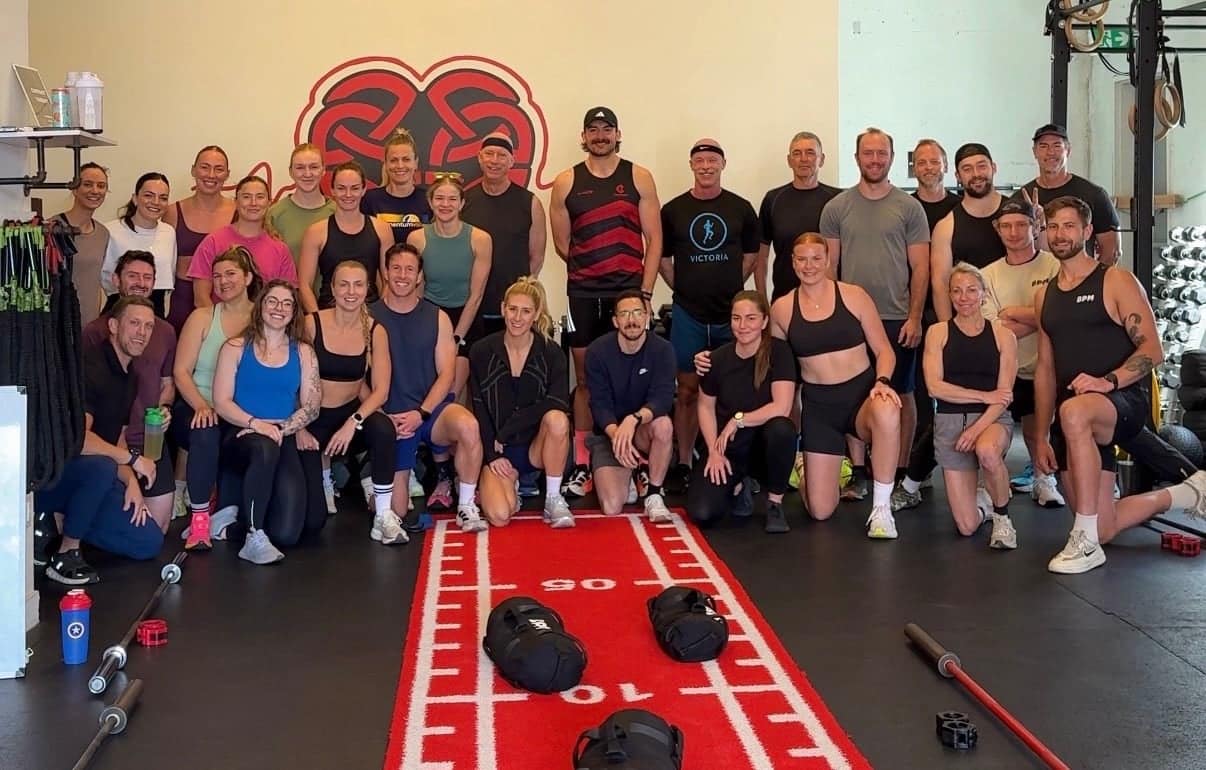
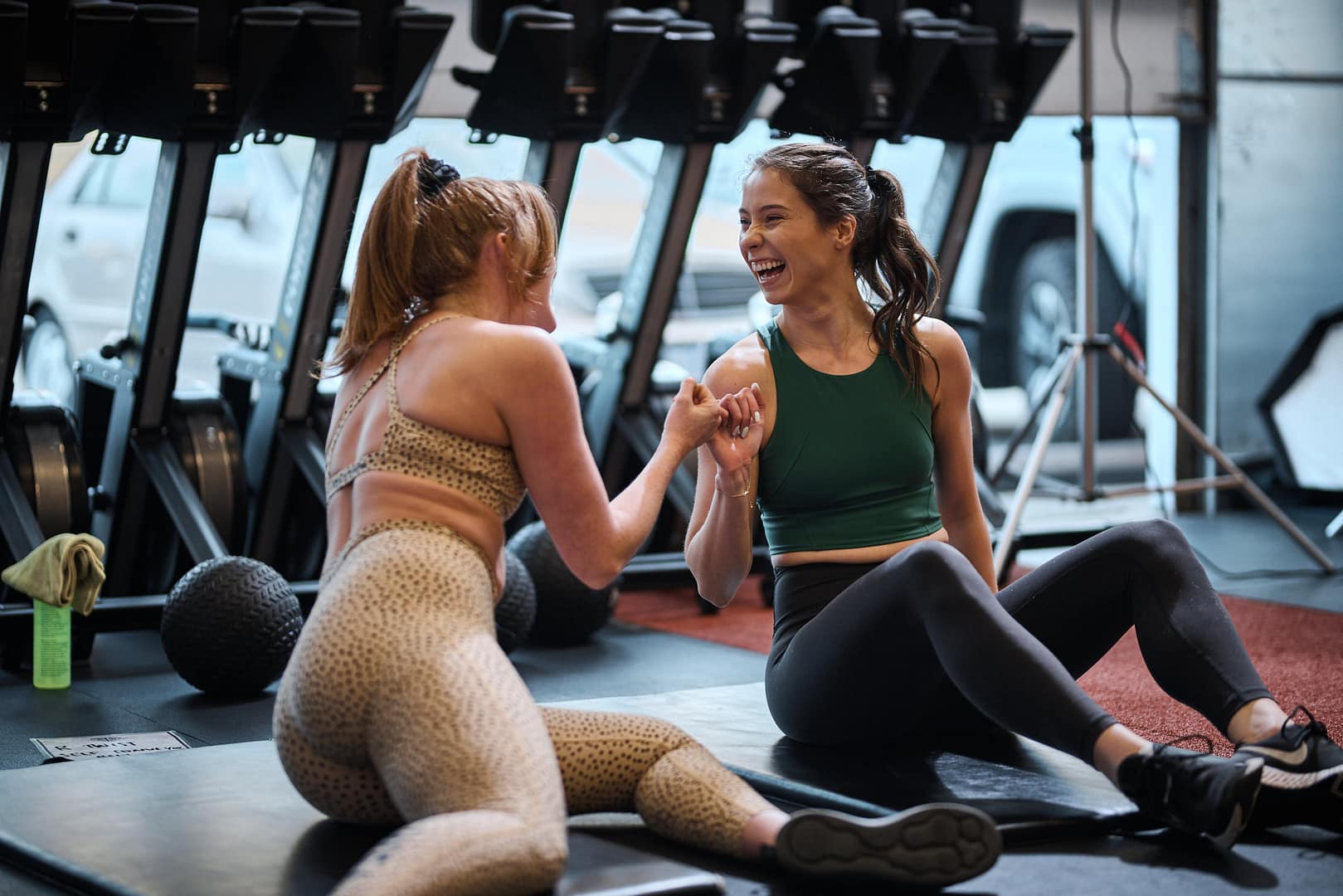
A supportive gym community can still provide motivation. Training alongside other people can create accountability and encouragement, provided that their achievements inspire your effort rather than define your success. Learn more about the qualified professionals who help create that environment on our BPM team page.
Better Ways to Track Your Strength Progress
Your progress includes much more than your heaviest lift. Useful indicators may include:
- Completing more repetitions with the same weight and good technique
- Lifting a slightly heavier load for the same number of repetitions
- Performing an exercise through a greater comfortable range of motion
- Using better control, balance, or positioning
- Recovering more effectively between sets or training sessions
- Experiencing less discomfort during everyday movement
- Feeling more capable during work, recreation, or sport
- Attending workouts more consistently
Keep a simple training log that records the exercise, weight, repetitions, sets, and how the session felt. Over several weeks, this information reveals trends that are difficult to notice from one workout alone.
Progress photos and scale weight are not required to prove that a program is working. Performance-based measures often provide more meaningful information because they show what your body can do.
When Should You Test Your Strength?
A one-repetition maximum, or 1RM, can be useful in some programs, but not everyone needs to perform a true maximum lift. Estimated strength tests, repetition ranges, movement assessments, and coach observations can all provide valuable information with less fatigue regardless of your age.
Testing should have a purpose. It may help establish training loads, measure the result of a program, or identify an area that needs additional attention. It should not be used to pressure someone into lifting beyond their current ability.
BPM’s coaches can help select appropriate exercises and progressions based on your goals, training experience, and movement quality. This individualized guidance is especially valuable if you are returning after time away, managing an injury, learning resistance training, or preparing for a sport.
Define Strength Standards on Your Own Terms
Strength standards for your age can offer a broad reference point, but they are not a final judgment. A more valuable question is: “Am I becoming stronger, more capable, and more confident over time?”
Your starting point is simply information. By training consistently, tracking relevant measures, and working with knowledgeable coaches, you can build strength that supports your life at any age.
Ready to establish your baseline and create a plan for measurable progress? Contact BPM Fitness Centre to learn more about personal training and strength-focused group fitness in Victoria, BC.
References
- Currier, B. S., McLeod, J. C., Banfield, L., Beyene, J., Welton, N. J., D’Souza, A. C., Keogh, J. A. J., Lin, L., Coletta, G., Yang, A., Colenso-Semple, L., Lau, K. J., Verboom, A., & Phillips, S. M. (2023). Resistance training prescription for muscle strength and hypertrophy in healthy adults: A systematic review and Bayesian network meta-analysis. British Journal of Sports Medicine, 57(18), 1211–1220. https://pubmed.ncbi.nlm.nih.gov/37414459/
- Bloch-Ibenfeldt, M., Theil Gates, A., Karlog, K., Demnitz, N., Kjaer, M., & Boraxbekk, C. J. (2024). Heavy resistance training at retirement age induces 4-year lasting beneficial effects in muscle strength: A long-term follow-up of an RCT. BMJ Open Sport & Exercise Medicine, 10(2), e001899.
- https://pubmed.ncbi.nlm.nih.gov/38911477/
- Carvalho, L., Moriggi Junior, R., Barreira, J., Schoenfeld, B. J., Orazem, J., & Barroso, R. (2022). Muscle hypertrophy and strength gains after resistance training with different volume-matched loads: A systematic review and meta-analysis. Applied Physiology, Nutrition, and Metabolism, 47(4), 357–368. https://pubmed.ncbi.nlm.nih.gov/35015560/