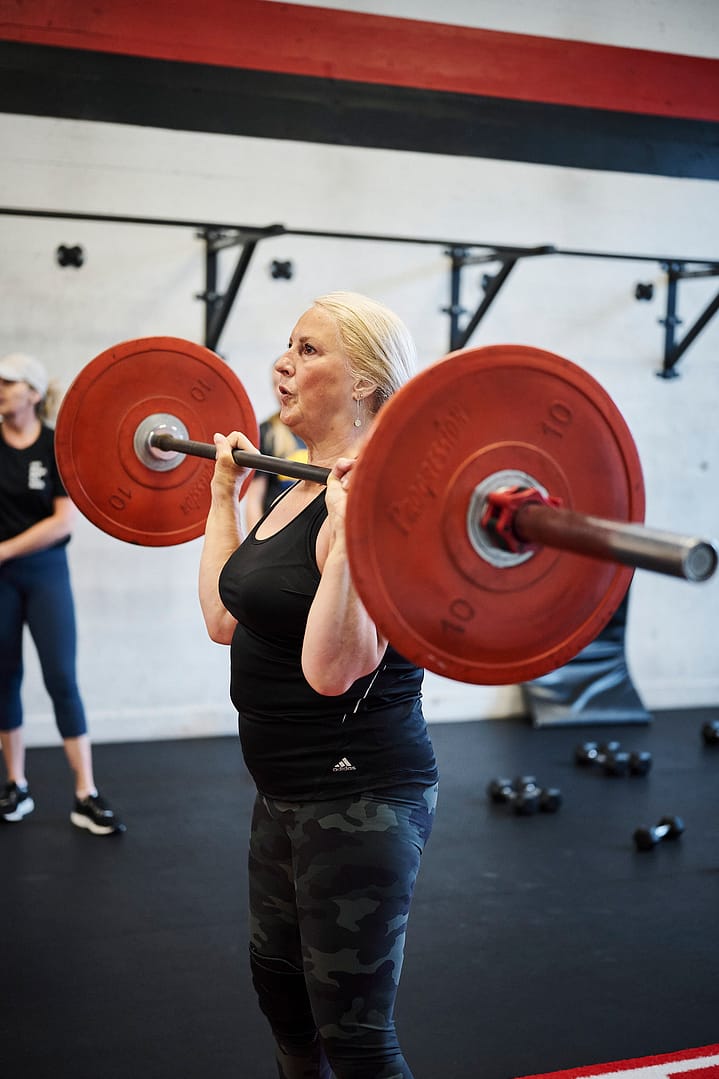

A great workout provides the stimulus for change—but the science behind rest and recovery proves your body needs the break to further progress. Whether you are lifting weights, attending a HYROX class, improving your running, or building general fitness, recovery is a fundamental part of an effective training program.
At BPM Fitness Centre, we believe that long-term results come from balancing purposeful exercise with enough time and support to recover. More training is not always better. The best approach is to apply the right amount of stress, recover from it, and gradually build your capacity over time.
What Happens to Your Body During Exercise?
Exercise is a controlled form of physical stress. Strength training challenges your muscles and nervous system. Running and cardiovascular exercise place demands on your heart, lungs, connective tissues, and energy systems. High-intensity workouts can also reduce stored muscle glycogen, which is one of the body’s primary sources of energy during demanding exercise.
These effects are not inherently harmful. In fact, they initiate the processes that help you become stronger, fitter, and more resilient. However, the workout itself is only the starting point.
After training, the body begins repairing affected tissues, replenishing energy stores, and adapting to the demands it experienced. This process is often described as the stress-recovery-adaptation cycle. When training and recovery are appropriately balanced, the body becomes better prepared to handle a similar challenge in the future.
Why Are Rest Days Important?
Rest days provide time for physical and neurological recovery. This does not necessarily mean spending an entire day on the couch. A rest day may involve complete rest, or it may include gentle movement such as walking, mobility work, or easy cycling.
Recovery needs depend on several factors, including training experience, exercise intensity, workout volume, age, sleep, nutrition, and daily stress. A challenging lower-body strength workout, for example, may require more recovery than a short, low-intensity conditioning session.
Scientific research examining recovery between resistance-training sessions shows that higher training volumes, training to muscular failure, and demanding eccentric exercises can increase recovery requirements. This is one reason why a thoughtfully designed workout schedule matters. Randomly stacking hard sessions together may create fatigue without producing better results.
The experienced coaches in BPM’s group fitness classes use structured programming and exercise modifications to help members train at an appropriate level. BPM offers Strength, CrossCon, Hybrid Strength, HIIT, Bootcamp, and HYROX training, making it possible to vary training demands throughout the week.
Sleep Is One of the Most Powerful Recovery Tools
Sleep is a major factor in the science of recovery. During sleep, the body regulates hormones, supports tissue repair, consolidates motor learning, and restores physical and mental readiness.
Poor or insufficient sleep can affect reaction time, decision-making, motivation, perceived effort, and exercise performance. It may also make a normal workout feel significantly harder. When reduced sleep is combined with a high training load, the body may have difficulty recovering fully between sessions.
Most adults should aim for approximately seven to nine hours of sleep each night, although individual needs vary. A consistent sleep schedule, a comfortable sleep environment, and a calming pre-bed routine can help support sleep quality.
If your performance suddenly declines, your normal weights feel unusually heavy, or soreness lasts longer than expected, reviewing your sleep may be just as important as reviewing your workout.
Nutrition and Hydration Support the Recovery Process
Recovery also requires adequate fuel. Protein supplies amino acids used to repair and remodel muscle tissue, while carbohydrates help restore glycogen used during training. Dietary fats, vitamins, minerals, and sufficient overall energy intake support numerous processes related to health and performance.
Hydration matters because fluids help regulate body temperature, transport nutrients, and maintain normal muscle and cardiovascular function. After a particularly sweaty workout, replacing both fluid and electrolytes may be helpful.
There is no single “perfect” recovery meal for everyone. Individual requirements change based on body size, training demands, dietary preferences, and health goals. BPM’s personal training services can help members connect their training plan with practical recovery strategies rather than relying on generic fitness advice.
What Is Active Recovery?
Active recovery uses comfortable, low-intensity movement to promote circulation without adding substantial fatigue. Examples include walking, easy mobility exercises, gentle cycling, or a relaxed movement session.
Active recovery should feel restorative. Turning every recovery session into another intense workout defeats its purpose. If you finish more tired than when you started, the activity was probably too demanding for a recovery day.
BPM also offers bookable contrast therapy sessions featuring sauna and cold-plunge facilities. These sessions can provide a structured opportunity to slow down and may help some people feel refreshed after training. However, contrast therapy should complement—not replace—the foundations of recovery: appropriate programming, sleep, nutrition, hydration, and rest.
Signs You May Need More Recovery
Occasional fatigue and muscle soreness are normal, especially after a new exercise or an increase in training. Persistent changes deserve more attention. Possible signs of inadequate recovery include:
- Declining workout performance
- Unusually prolonged soreness
- Irritability or reduced motivation
- Disrupted sleep
- Repeated aches or discomfort
- Feeling consistently exhausted before training
These signs do not always mean that you must stop exercising completely. They may indicate that workout intensity, volume, exercise selection, or weekly scheduling should be adjusted. Persistent pain, severe fatigue, or symptoms that interfere with daily life should be discussed with an appropriate healthcare professional.
Train Hard and Recover With Purpose
Recovery is not time lost. It is the period when your body responds to the work you have completed. Scheduling rest days, protecting your sleep, eating enough nourishing food, staying hydrated, and adjusting training when needed can help you exercise more consistently and enjoy better long-term progress.
At BPM Fitness Centre in Victoria, BC, our qualified trainers and coaches can help you create a balanced plan for strength training, HYROX, conditioning, running, or general fitness. Explore our current class schedule or contact BPM Fitness Centre to start training—and recovering—with a clear purpose.
References
- Naderi, A., Rothschild, J. A., Santos, H. O., Hamidvand, A., Koozehchian, M. S., Ghazzagh, A., Berjisian, E., & Podlogar, T. (2025). Nutritional strategies to improve post-exercise recovery and subsequent exercise performance: A narrative review. Sports Medicine, 55(7), 1559–1577. https://pubmed.ncbi.nlm.nih.gov/40221559/
- Chennaoui, M., Arnal, P. J., Sauvet, F., & Léger, D. (2021). How does sleep help recovery from exercise-induced muscle injuries? Journal of Science and Medicine in Sport, 24(10), 982–987. https://doi.org/10.1016/j.jsams.2021.05.007
- Li, S., Kempe, M., Brink, M., & Lemmink, K. (2024). Effectiveness of recovery strategies after training and competition in endurance athletes: An umbrella review. Sports Medicine – Open, 10, Article 55. https://rdcu.be/mHW72j1GRNha