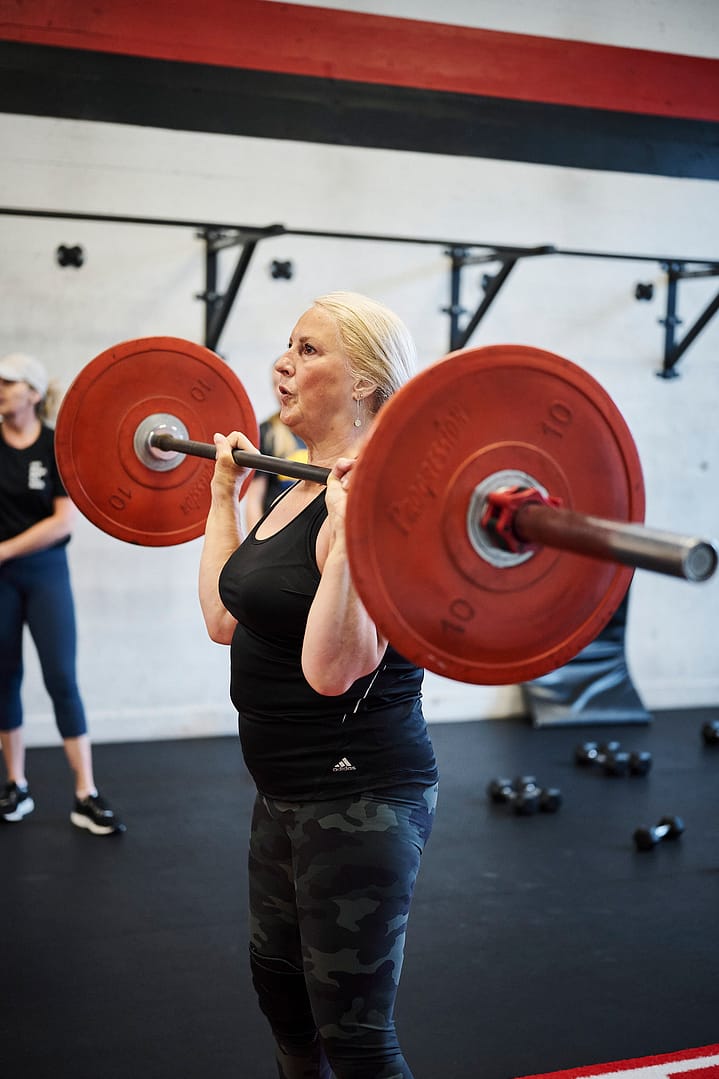
When you choose where to work out, you’re making a decision about more than treadmills, dumbbells, and class schedules. Where you spend your fitness dollars can have an impact on your local economy, community connections, personal health, and even the environment.
For people in Victoria, choosing a locally owned gym like BPM Fitness Centre means your membership can do more than support your own health. It can help build a stronger, healthier community around you.
Your Membership Helps Keep Money Local
One of the biggest benefits of supporting local businesses is something economists call the local multiplier effect. Simply put, money spent at a locally owned business is more likely to be spent again within the same region.
Research from LOCO BC found that independent businesses can recirculate significantly more revenue within British Columbia than multinational businesses. Its 2019 research found independent businesses recirculated as much as 63% of their revenue within B.C., compared with 14% for multinational corporations.
Why?
Local businesses employ local people. They hire local contractors, purchase products and services from other nearby businesses, pay local professionals, and support community organizations.
A gym membership might help pay a local trainer, who then grabs lunch at a neighbourhood restaurant, visits a local physiotherapist, or shops at another Victoria business.
Your dollar keeps moving.
That matters because small businesses are a major part of what makes communities economically resilient. Supporting an independent gym isn’t just investing in your workout — it’s investing in the people who live and work around you.
Local Gyms Create Real Community
There is another benefit that doesn’t appear on your membership receipt: connection.
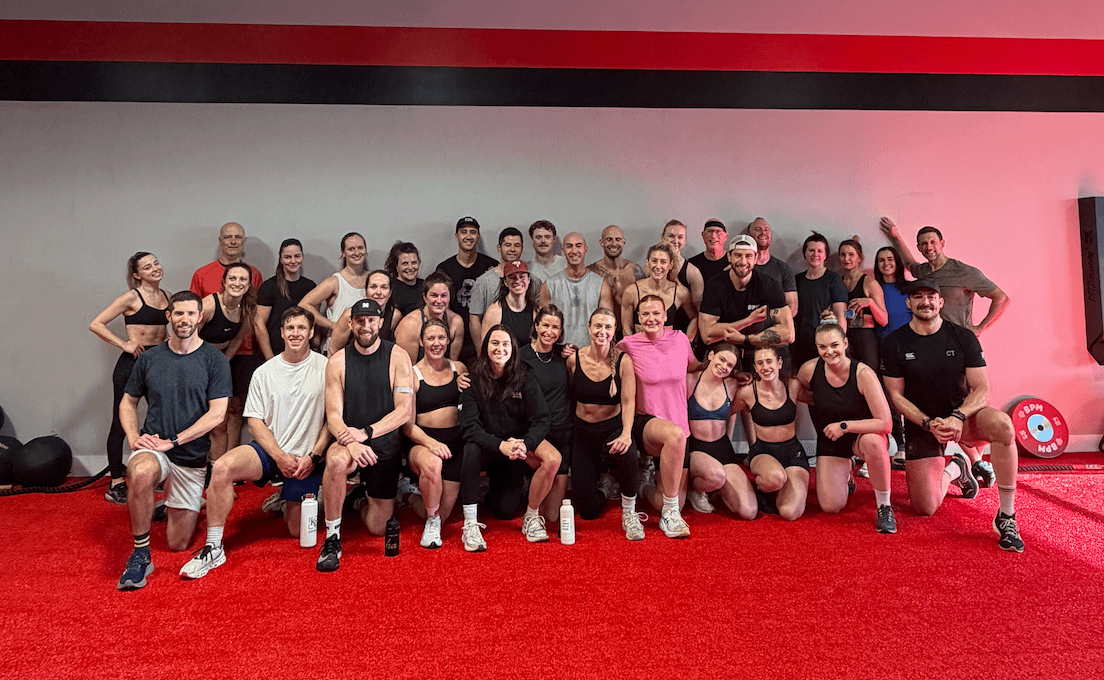
A great local gym becomes a place where people know each other’s names. You recognize the person who trains at the same time as you. Your coach remembers what you’ve been working toward. You celebrate someone’s first pull-up, race finish, or new personal best.
Research suggests these connections matter.
A large Canadian study involving more than 245,000 people found that both an individual’s sense of community belonging and community-level social cohesion were positively associated with physical activity.
More recent research has reached similar conclusions. A 2024 systematic review examining 115 studies found substantial evidence connecting factors such as social cohesion, trust, participation, and social networks with physical activity.
Research specifically examining fitness clubs has also found that identifying socially with your fitness community is positively associated with well-being. Interestingly, the researchers found that simply showing up more frequently wasn’t what predicted greater well-being — feeling like you belonged did.
That’s something smaller community-focused gyms can be uniquely positioned to create.
Local Fitness Can Make Healthy Living More Accessible
There’s also something powerful about having fitness opportunities right in your community.
When exercise becomes part of your neighbourhood rather than something completely separate from your life, it can become easier to build relationships and routines around being active.
Research has repeatedly connected stronger neighbourhood social cohesion with higher levels of physical activity. One study found people reporting greater neighbourhood cohesion accumulated more aerobic activity and had greater odds of meeting aerobic and strength-training recommendations.
Your gym can therefore become more than somewhere you exercise. It can become part of a local network that normalizes movement, encourages healthy habits, and gives people opportunities to be active together.
What About the Environmental Impact?
Choosing a locally owned gym instead of a large corporate fitness chain can also support a smaller, more locally focused environmental footprint.
Large corporations often operate through complex national or international supply chains, centralized distribution systems, large-scale marketing operations, and standardized facilities that require products and materials to be transported across long distances. Locally owned gyms have more opportunities to make purchasing, maintenance, staffing, and operational decisions within their own community.
That can mean working with local contractors and service providers, repairing equipment rather than automatically replacing it, purchasing from nearby businesses, and making facility decisions based on what actually makes sense for the space and community rather than following a corporate-wide model.
Stronger People. Stronger Communities.
When you support an independent local gym, you’re helping create jobs for local coaches and health professionals. You’re supporting other businesses and organizations that the gym works with. You’re helping create spaces where people can meet, move, challenge themselves, and feel like they belong.
And at the same time, you’re investing in your own health.
That’s the power of training local: your membership can strengthen more than your body. It can help strengthen the community around you, too.