When most people think about fitness, they think about calories burned, weight loss, muscle gain, or cardio. But experienced Personal Trainers know that long-term progress starts somewhere deeper: Movement quality.
Because before someone can squat heavier, run faster, jump higher, or move pain-free, their body first needs to move efficiently. That is where the joint-by-joint approach comes in.
At BPM Fitness Centre, our Trainers use movement assessments, biomechanics, and exercise science principles to help clients improve how their bodies move — not just how hard they train.
What Is The Joint-by-Joint Approach?
The joint-by-joint approach is a concept popularized by physical therapist Gray Cook and strength coach Mike Boyle. The idea is simple:
Different joints in the body are designed primarily for either:
- Mobility (movement)
or - Stability (control)
When one joint lacks what it needs, the body compensates elsewhere. And compensation is often where dysfunction, poor mechanics, inefficiency, and even injury begin.
Generally Speaking:
- The ankle needs mobility
- The knee needs stability
- The hip needs mobility
- The lumbar spine needs stability
- The thoracic spine needs mobility
- The shoulder needs stability and mobility
- The neck needs stability
The body functions like a chain. If one link is weak, stiff, unstable, or dysfunctional, the entire movement pattern changes.
Why This Matters In Personal Training
Many people enter a gym with movement limitations they may not even realize they have.
Tight hips.
Poor ankle mobility.
Weak glutes.
Limited thoracic rotation.
Core instability.
Restricted shoulder mobility.
If a Trainer ignores these issues and immediately loads movements heavily, problems often appear. For example:
A client may struggle to squat deeply and most people assume, “My legs just aren’t strong enough.”
But often the real issue is:
- Limited ankle dorsiflexion
- Poor hip mobility
- Lack of hip external rotator activation
- Thoracic stiffness
- Motor control deficiencies
The body always finds a workaround.
If the ankle lacks mobility, the knee may collapse inward.
When the hips lack mobility, the lumbar spine may compensate excessively.
And if the thoracic spine cannot rotate properly, the shoulder may become overloaded.
Over time, these compensation patterns can reduce performance and increase stress on joints and tissues.
How Personal Trainers Assess Movement Mechanics
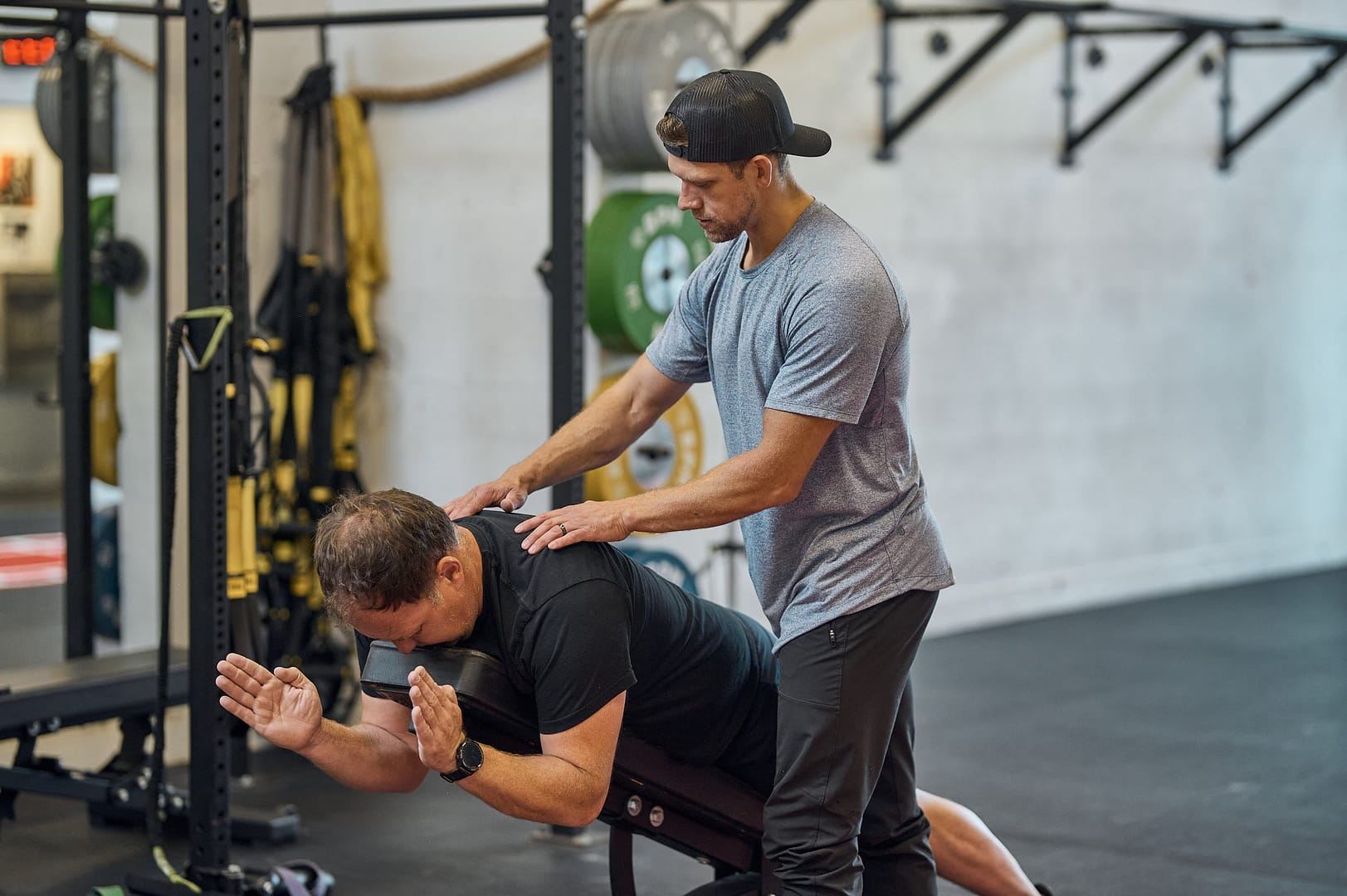
At BPM Fitness Centre, movement assessment plays a major role in helping guide programming decisions.
Rather than simply giving every client the exact same exercises, experienced Trainers look at:
- Joint mobility
- Stability
- Posture
- Movement patterns
- Strength imbalances
- Running gait
- Core control
- Functional limitations
This helps create individualized programs designed around the person standing in front of us. Not simply around generic workout templates. A movement assessment may include:
- Squat analysis
- Ankle & Hip mobility assessment
- Thoracic mobility screening
- Shoulder range of motion testing
- Running gait analysis
- Core stability assessment
The goal is not perfection. The goal is understanding and progression. Because once you understand how somebody moves, you can coach more effectively.
The Difference Between Mobility And Flexibility
One major misconception in fitness is confusing flexibility with mobility. Flexibility refers to the passive length of tissues. Mobility refers to controlled movement through a range of motion.
Someone may technically be “flexible,” but still lack stability and control. For example: A person may touch their toes easily, yet still have poor hip control during squats or running mechanics.
This is why effective Personal Training programs include more than stretching. They include:
- Stability work
- Motor control
- Strength development
- Mobility drills
- Coordination training
- Balance work
- Progressive resistance training
How The Joint-by-Joint Approach Influences Programming
The joint-by-joint approach affects nearly every aspect of exercise programming.
Exercise Selection
A client with poor shoulder mobility may not begin with heavy overhead pressing. Instead, Trainers may first improve:
- Thoracic mobility
- Scapular control
- Rotator cuff stability
- Shoulder positioning
Running Mechanics
Limited hip extension can alter running stride efficiency.
Poor ankle mobility can increase stress through the knees.
Weak glute activation can reduce force production and stability.
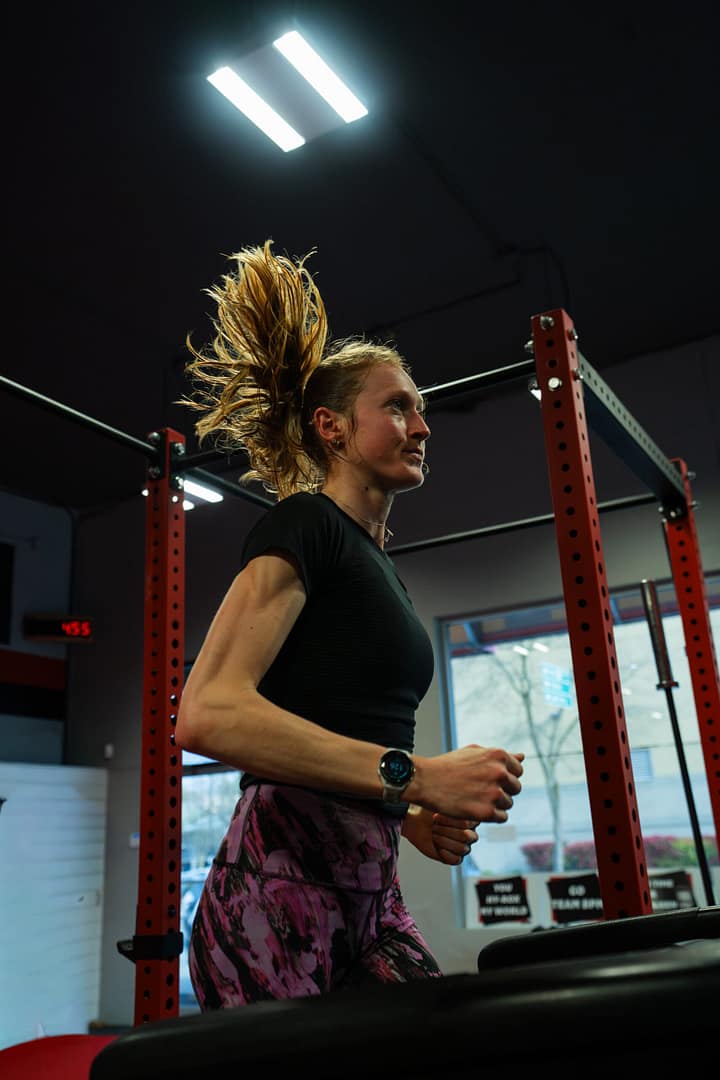
This is one reason BPM incorporates running assessments and gait analysis into performance programming.
Core Training
Core training is not simply about visible abs.
Its primary role is often force transfer and spinal stability.
A stable trunk allows the hips and shoulders to generate force more effectively.
This influences everything from lifting mechanics to athletic performance.
Injury Reduction
No exercise program can guarantee injury prevention. However, improving movement quality, mobility, and stability may help reduce unnecessary stress on tissues and joints. This is especially important for:
- Adults over 50
- Runners
- Desk workers
- Athletes
- Beginners returning to exercise
- Individuals with previous injuries
Why Cookie-Cutter Programs Often Fail
One of the biggest problems in the fitness industry is oversimplified programming. Social media workouts often ignore:
- Individual anatomy
- Injury history
- Mobility limitations
- Stability deficits
- Experience level
- Movement competency
Two people may perform the exact same exercise very differently biomechanically. An experienced Personal Trainer understands this. That is why individualized coaching matters.
At BPM Fitness Centre, our Trainers focus on helping clients move better first — because better movement mechanics often create better long-term results.
Movement Quality Creates Longevity
The goal of fitness should not simply be exhaustion. It should be resilience and independence into old age.
Being able to:
- Move confidently
- Stay independent
- Reduce limitations
- Improve athletic performance
- Build strength safely
- Continue doing the activities you love for decades
That is where intelligent programming becomes valuable. Because the body is not just a collection of muscles. It is an interconnected movement system.
And understanding how joints, muscles, stability, and mobility work together allows Personal Trainers to create smarter, safer, and more effective programs.
Looking For Expert Personal Training In Victoria, BC?
At BPM Fitness Centre, our Team combines exercise science, biomechanics, movement assessment, and years of coaching experience to help clients improve strength, mobility, movement quality, and overall performance.
Whether your goal is:
- Strength training
- Fat loss
- Running performance
- Mobility
- Healthy aging
- Injury reduction
- Athletic development
Our Trainers build programs designed around you.
Because fitness should help you move better — not just sweat harder.
Learn more about Personal Training at BPM Fitness Centre:
https://www.bpmvictoria.com/personaltraining/
Or explore our Running Assessment services:
https://www.bpmvictoria.com/runningassessment/
Live Longer. Stronger.