As we age, maintaining mobility becomes one of the most important factors in preserving our independence, confidence, and quality of life. Whether it’s climbing stairs, carrying groceries, gardening, walking the dog, or playing with grandchildren, our ability to move freely impacts nearly every aspect of daily living.
Unfortunately, many adults over 60 begin to notice changes in their strength, balance, flexibility, and overall mobility. While these changes are common, they are not necessarily inevitable. One of the most effective ways to maintain and even improve mobility as we age is through strength training.
At BPM Fitness Centre in Victoria, BC, we regularly work with older adults who want to stay active, move better, and continue doing the activities they love. Research consistently shows that strength training for seniors is one of the most powerful tools available for promoting healthy aging, improving mobility, and maintaining independence.
Why Mobility Matters as We Age
Mobility refers to our ability to move efficiently and safely through our environment. Good mobility allows us to perform everyday activities without pain, discomfort, or excessive effort.
As we get older, several age-related changes can impact mobility:
- Loss of muscle mass (sarcopenia)
- Reduced strength and power
- Decreased balance and coordination
- Joint stiffness
- Lower bone density
- Reduced confidence in movement
These changes can gradually make everyday tasks more difficult. Something as simple as standing up from a chair or walking up a flight of stairs can become challenging if strength and mobility are not maintained.
The good news is that strength training directly addresses many of these factors and can help older adults remain active and independent for years to come.
What Happens to Muscle as We Age?
Beginning around age 30, adults naturally begin losing muscle mass. This process accelerates after age 60 and can significantly affect mobility and physical function.
According to research published in the Journal of Gerontology, progressive resistance training can significantly increase muscle strength and improve physical function in older adults.
This means that even if strength has declined over time, the body remains highly adaptable. Older adults can still build strength, improve movement quality, and regain functional abilities through properly designed exercise programs.
How Strength Training Improves Mobility
Many people associate strength training solely with building muscle, but its benefits extend far beyond appearance.
Improved Walking Ability
Walking speed is considered one of the strongest indicators of health and longevity in older adults.
Research has shown that strength training improves walking speed, endurance, and overall physical performance.
When the muscles of the hips, glutes, quadriceps, and core become stronger, walking requires less effort. Older adults often notice they can:
- Walk longer distances
- Feel less fatigued
- Navigate hills and stairs more easily
- Move more confidently outdoors
Improved walking ability contributes directly to maintaining independence and staying engaged in community activities.
Better Balance and Fall Prevention
Falls are one of the leading causes of injury among older adults.
Many falls occur not because of poor balance alone, but because the body lacks the strength necessary to recover from a loss of balance.
Strength training helps improve:
- Leg strength
- Core stability
- Coordination
- Reaction time
- Postural control
A 2022 systematic review found that resistance training can help reduce mobility-related disability and improve physical function in community-dwelling older adults.
Stronger muscles allow the body to respond more effectively when encountering uneven surfaces, slips, trips, or sudden changes in direction.
Increased Confidence in Daily Activities
One often-overlooked benefit of strength training is the boost in confidence it provides.
When older adults feel physically capable, they are more likely to:
- Participate in social activities
- Travel
- Exercise regularly
- Try new experiences
- Remain active in their communities
Fear of falling or getting injured can lead to reduced activity levels, which often accelerates declines in mobility and strength. Strength training helps break this cycle by improving both physical capacity and self-confidence.
Strength Training Supports Joint Health
Many people mistakenly believe that strength training is harmful to aging joints.
In reality, properly prescribed resistance training can improve joint function and reduce discomfort.
Muscles act as shock absorbers for the body. Stronger muscles reduce stress placed on the joints during daily activities such as walking, climbing stairs, and standing from a seated position.
Additionally, strength training encourages movement through healthy ranges of motion, helping maintain flexibility and mobility.
For individuals dealing with mild osteoarthritis or age-related stiffness, strength training is often recommended as part of a comprehensive approach to maintaining mobility and function.
Muscle Power Matters Too
While strength is important, researchers have increasingly recognized the importance of muscular power—the ability to produce force quickly.
Think about situations such as:
- Catching yourself during a stumble
- Stepping over a curb
- Recovering from a slip
- Getting up from a chair quickly
These actions require power, not just strength.
A meta-analysis published in JAMA Network Open found that power training may provide greater improvements in physical function than traditional strength training alone.
Another review reported that power-focused training can improve performance in daily living tasks and may play a significant role in maintaining independence among older adults.
This doesn’t mean performing dangerous or highly explosive exercises. Rather, it involves moving safely and intentionally under the guidance of qualified coaches.
Strength Training Helps Maintain Independence
Perhaps the greatest benefit of strength training for seniors is the ability to maintain independence.
Everyday activities require strength:
- Carrying groceries
- Lifting grandchildren
- Getting in and out of vehicles
- Housework and yard work
- Climbing stairs
- Standing up from low chairs
Without adequate strength, these tasks become increasingly difficult.
By maintaining muscle mass and improving functional movement patterns, older adults can continue living active and independent lives for longer.
Research consistently demonstrates that strength training improves the physical abilities required for daily living and helps delay mobility-related disability.
Is Strength Training Safe for Older Adults?
One of the most common questions we hear is whether strength training is safe after age 60.
The answer is yes.
When exercises are properly selected and supervised, strength training is considered one of the safest and most effective forms of exercise for older adults.
The key is finding a program that:
- Matches your current fitness level
- Focuses on proper technique
- Progresses gradually
- Addresses individual goals and limitations
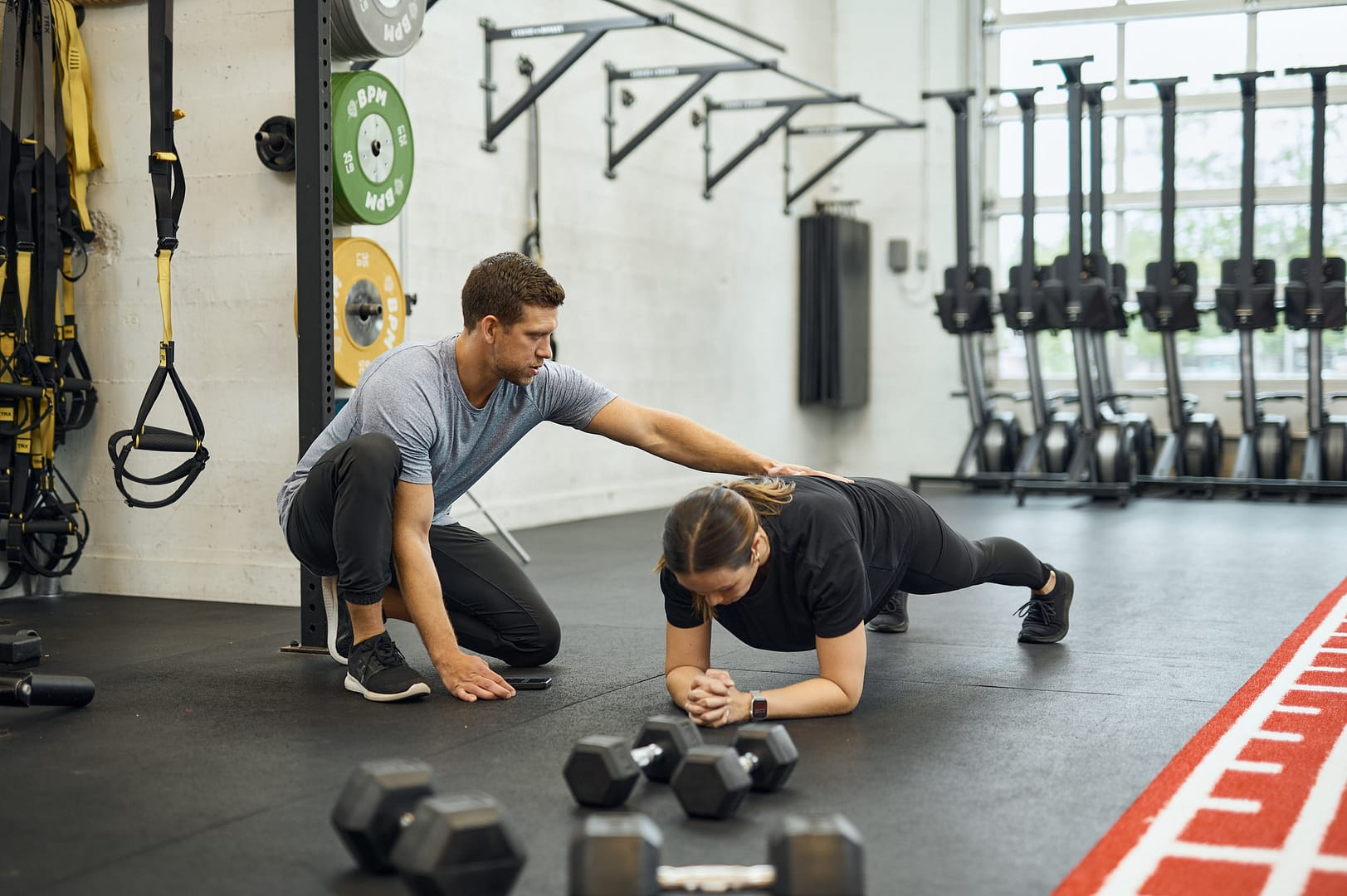
A qualified coach can help ensure exercises are performed safely while maximizing results.
Getting Started with Strength Training
You don’t need to become a powerlifter or spend hours in the gym to experience the benefits of strength training.
Many effective programs focus on simple functional movements such as:
- Squats or sit-to-stands
- Step-ups
- Rows
- Pressing movements
- Core stability exercises
- Balance training
Even two to three sessions per week can produce meaningful improvements in strength, mobility, and overall quality of life.
Strength Training for Seniors in Victoria, BC
At BPM Fitness Centre, we believe that movement is one of the most powerful investments you can make in your long-term health.
Our experienced coaching team helps older adults safely build strength, improve mobility, increase confidence, and maintain independence through structured fitness programs designed for all experience levels.
Whether you’re looking to improve balance, move more comfortably, stay active with family, or simply feel stronger in everyday life, strength training can help you achieve those goals.
The Bottom Line
Aging does not have to mean losing mobility.
Research continues to show that strength training for seniors is one of the most effective strategies for improving mobility, reducing fall risk, enhancing balance, maintaining independence, and supporting healthy aging.
It’s never too late to start. In fact, the best time to begin building strength for the future is today.
References
Latham NK, et al. Progressive Resistance Strength Training in Older Adults. Journal of Gerontology.
https://pubmed.ncbi.nlm.nih.gov/14718486/
Prevett C, et al. Role of Resistance Training in Mitigating Risk for Mobility Disability in Community-Dwelling Older Adults.
https://pubmed.ncbi.nlm.nih.gov/35504310/
Balachandran A, et al. Comparison of Power Training vs Traditional Strength Training on Physical Function in Older Adults.
https://pubmed.ncbi.nlm.nih.gov/35544136/
Lopez P, et al. Effectiveness of Power Training Compared with Traditional Strength Training in Older Adults.
https://pubmed.ncbi.nlm.nih.gov/35953775/