
Most people think grip strength is only important for athletes, rock climbers, or people lifting heavy weights in the gym.
But research tells a very different story.
Today, grip strength is considered one of the strongest simple indicators of overall health, physical function, and healthy aging. In fact, researchers often refer to grip strength as a “biomarker of aging” because it provides valuable insight into how well the body is functioning overall.
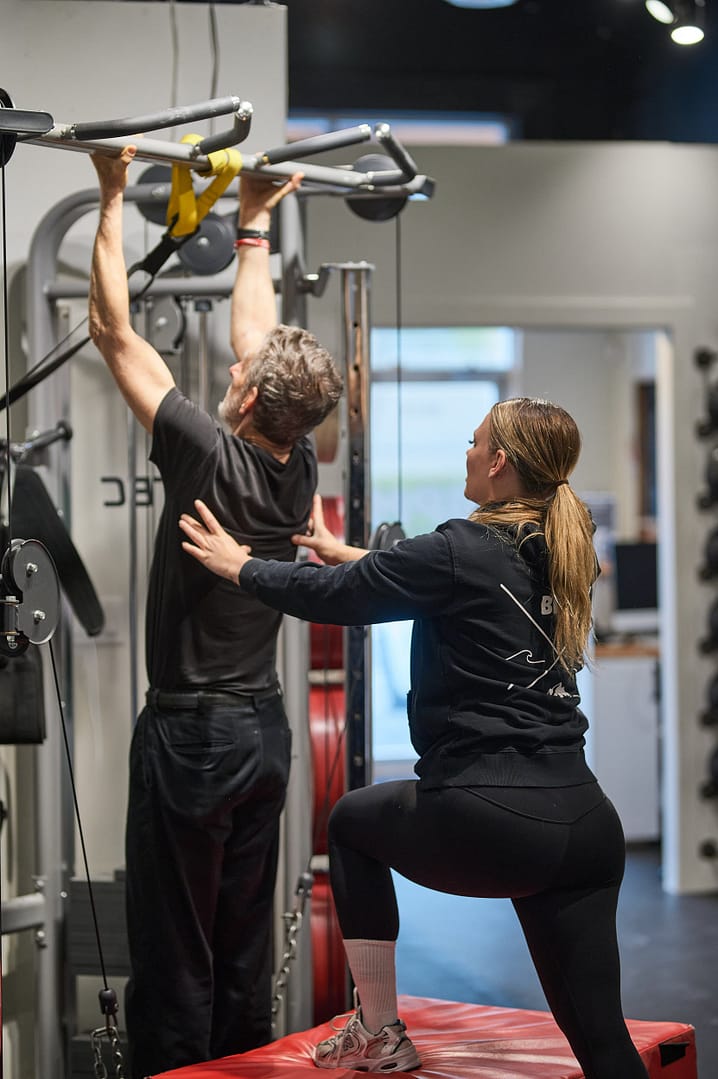
At BPM Fitness Centre, grip strength testing is one of the many tools Personal Trainers can use to better understand a client’s baseline strength, identify weaknesses, and help track long-term progress.
Because grip strength is about far more than just your hands. It’s about resilience, independence, and how well your body is aging.
What Grip Strength Actually Tells Us
Grip strength is typically measured using a handheld dynamometer — a device you squeeze as hard as possible for a few seconds.
While simple, the research behind it is incredibly powerful. Lower grip strength has been associated with:
- Increased risk of falls
- Reduced mobility and independence
- Lower bone density
- Increased frailty
- Cardiovascular disease
- Longer hospital stays
- Cognitive decline
- Higher risk of premature death
One major study published in JAMA found that lower grip strength in midlife strongly predicted disability and functional limitations decades later.
Another large review identified grip strength as one of the most useful clinical tools for assessing overall health and aging in older adults.
In simple terms:
Weak grip strength is often a warning sign that the body as a whole is becoming weaker.
Why Grip Strength Declines With Age
As we age, we naturally lose muscle mass and strength — a process called sarcopenia. Unfortunately, this decline affects far more than gym performance.
It affects:
- Carrying groceries
- Getting off the floor
- Climbing stairs
- Preventing falls
- Opening jars
- Maintaining independence
- Overall confidence in movement
Many people don’t notice the gradual decline until everyday tasks start becoming harder. That’s why testing matters.
A grip strength assessment can help identify strength deficits long before they become major quality-of-life issues.
Average Grip Strength: Where Should You Be?
Grip strength varies based on age, sex, body size, and training history, but researchers have established general averages for healthy adults.
Average Grip Strength for Men
- Ages 20–39: approximately 101–114 lbs
- Ages 40–59: approximately 88–105 lbs
- Ages 60+: approximately 70–88 lbs
Average Grip Strength for Women
- Ages 20–39: approximately 59–70 lbs
- Ages 40–59: approximately 53–66 lbs
- Ages 60+: approximately 40–55 lbs
Generally speaking:
- Below-average grip strength may indicate reduced muscular health or increased frailty risk
- Above-average grip strength is often associated with better overall physical function and resilience
Importantly, these are broad averages — not pass/fail scores.
A smaller individual may naturally produce lower numbers than a larger person. What matters most is context, trends over time, and overall function.
Why Grip Strength Matters at BPM
At BPM Fitness Centre, Personal Trainers don’t just focus on aesthetics or arbitrary gym numbers. The goal is building a body that performs well for life.
Grip strength testing can help provide insight into:
- Overall muscular strength
- Functional capacity
- Symmetry between hands
- Nervous system output
- Potential weakness patterns
- Aging-related decline
Combined with movement assessments, mobility testing, cardiovascular testing, and strength programming, grip testing becomes another valuable tool for helping clients train intelligently.
For older adults especially, maintaining strength can dramatically improve quality of life and independence.
Because the goal is not simply living longer. The goal is living stronger.
How To Improve Grip Strength
The good news is that grip strength is highly trainable at almost any age.
Some of the most effective exercises include:
- Farmer’s carries
- Dead hangs
- Pull-ups
- Heavy rows
- Kettlebell training
- Resistance training
- Loaded carries
- Dumbbell holds
But the key is consistency.
Strength training performed multiple times per week can significantly improve grip strength, muscular health, bone density, balance, and long-term physical function.
And unlike many health markers, strength is something you can actively improve.
Final Thoughts
Grip strength may seem like a small thing.
But it provides a surprisingly powerful snapshot into how well the body is functioning overall.
Strong grip strength is often associated with greater resilience, better movement capacity, healthier aging, and improved long-term quality of life.
At BPM Fitness Centre, our experienced Personal Trainers help clients build real-world strength that supports longevity, confidence, and everyday function — whether you’re 25, 55, or 75.
Because aging is inevitable.
Becoming weak and fragile doesn’t have to be.
To get support with your grip and fitness goals, connect with a Personal Trainer today!