As summer turns to fall in Victoria, shorter days, cooler temperatures, and busier routines can affect how we feel and recover. Outdoor activities may give way to structured workouts, while work, school, and family schedules begin filling up again. It is an ideal time to establish habits that support your physical and mental well-being—and contrast therapy can be a valuable addition to that routine.
At BPM Fitness Centre, our contrast therapy sessions combine the comforting heat of a sauna with refreshing cold-water immersion. Whether you are recovering from strength training, preparing for your next HYROX event, or looking for a wellness practice to carry into fall, sauna and cold plunge therapy may help you feel restored, alert, and ready to move.
What Is Contrast Therapy?
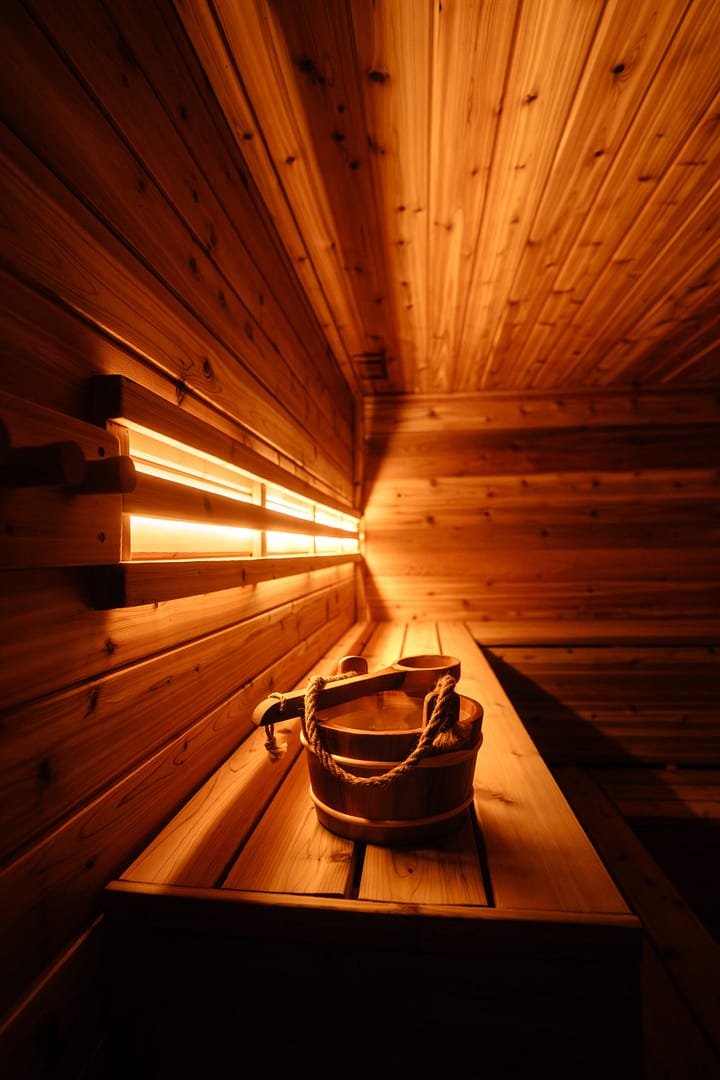
Contrast therapy involves alternating between hot and cold environments. At BPM, that means moving between our heated cedar sauna room and cold plunge during a guided 45-minute session.
Heat causes blood vessels near the skin to widen, while cold exposure causes them to narrow. These are normal physiological responses that help the body regulate temperature. Alternating between the two creates a noticeable shift in circulation, breathing, and perceived energy.
While contrast therapy is not a cure-all or a replacement for exercise, sleep, hydration, or medical care, it can complement a balanced recovery plan. Our contrast therapy sessions in Victoria provide a structured and welcoming environment in which to experience both heat and cold exposure.
Sauna Benefits for Cardiovascular Health
When you sit in a sauna, your skin temperature rises, blood vessels widen, and heart rate typically increases. These responses place a mild, temporary demand on the cardiovascular system.
Research reviews suggest that regular sauna bathing may support vascular function, blood-pressure regulation, and overall cardiovascular health. However, many of the longer-term findings come from observational studies, so sauna use should be considered a supportive wellness practice—not a substitute for physical activity or prescribed treatment.
Sauna time can also provide an opportunity to slow down. Stepping away from phones, work, and everyday distractions may encourage relaxation and help people transition out of a constantly busy mindset. As fall schedules become more demanding, deliberately creating this recovery time can be especially valuable.
Cold Plunge Benefits for Workout Recovery
Cold-water immersion is popular among runners, strength athletes, field-sport athletes, and HYROX competitors. Its best-supported benefit is helping reduce perceived muscle soreness following strenuous exercise.
A systematic review published in Sports Medicine found that cold-water immersion performed better than passive recovery for managing post-exercise muscle soreness. Some people also report feeling more awake and mentally refreshed after brief cold exposure, although individual experiences vary.
Timing matters. Research indicates that repeatedly using cold-water immersion immediately after resistance training may slightly reduce long-term muscle-growth adaptations. If building strength or muscle is your primary goal, consider separating cold plunging from key strength sessions or discussing your recovery strategy with a qualified coach.
At BPM, contrast therapy can be paired thoughtfully with personal training in Victoria or our group fitness classes rather than being treated as a shortcut around proper recovery.
Can Contrast Therapy Improve Circulation?
It is common to hear that contrast therapy “flushes toxins,” but this description goes beyond what research has established. Your liver and kidneys already perform the body’s primary detoxification work.
A more accurate explanation is that heat and cold temporarily change blood-vessel diameter, skin blood flow, heart rate, and temperature regulation. These shifts may contribute to the feeling of warmth, lightness, or renewed energy that many people experience following a sauna and cold plunge session.
Evidence specifically examining the long-term health effects of alternating sauna and cold plunge remains limited. The strongest approach is to describe contrast therapy as a potentially useful recovery and wellness tool while avoiding claims that it can prevent or cure illness.
A Helpful Reset for the Change of Seasons
The transition from summer to fall often means returning to a more consistent training schedule. It can also bring darker mornings, changing weather, and less spontaneous time outdoors.
Booking a regular sauna and cold plunge session creates space to recover intentionally. The heat offers a comfortable retreat from cooler weather, while the cold plunge provides an invigorating contrast. For many people, completing a challenging but controlled cold exposure can also reinforce calm breathing, patience, and focus.
Contrast therapy may fit well into a fall routine alongside strength training, mobility work, nutritious meals, hydration, and adequate sleep. Browse BPM’s class and contrast therapy schedule to find an option that works with your week.
How to Use Sauna and Cold Plunge Therapy Safely
Heat and cold place temporary stress on the cardiovascular system, so more intensity is not always better. Stay hydrated, follow BPM’s session guidance, and leave the sauna or plunge if you feel dizzy, faint, unwell, or unusually short of breath.
Speak with a healthcare professional before beginning contrast therapy if you have cardiovascular or blood-pressure concerns, are pregnant, take medications that affect circulation or temperature regulation, or have another condition that could change your response to heat or cold. Younger participants should only take part when permitted by facility policies and with appropriate professional and guardian guidance.
Experience Contrast Therapy at BPM Fitness Centre
BPM Fitness Centre offers 45-minute contrast therapy sessions in a supportive, community-focused facility. Our sauna and cold plunge experience is designed for active people, fitness beginners, and anyone interested in adding purposeful recovery to their routine.
As the summer heat slowly transitions into rainy season, this is your opportunity to build a wellness routine that does not end when the warm weather does. Explore BPM’s membership options and pricing, reserve your session, and discover how intentional recovery can help you approach the new season feeling refreshed and ready.
References
- Li, Z., Jiang, W., Chen, Y., Wang, G., Yan, F., Zeng, T., & Fan, H. (2021). Acute and short-term efficacy of sauna treatment on cardiovascular function: A meta-analysis. European Journal of Cardiovascular Nursing, 20(2), 96–105. https://pubmed.ncbi.nlm.nih.gov/32814462/
- Moore, E., Fuller, J. T., Bellenger, C. R., Saunders, S., Halson, S. L., Broatch, J. R., & Buckley, J. D. (2023). Effects of cold-water immersion compared with other recovery modalities on athletic performance following acute strenuous exercise in physically active participants: A systematic review, meta-analysis, and meta-regression. Sports Medicine, 53(3), 687–705. https://pubmed.ncbi.nlm.nih.gov/36527593/
- Batista, N. P., de Carvalho, F. A., Machado, A. F., Micheletti, J. K., & Pastre, C. M. (2023). What parameters influence the effect of cold-water immersion on muscle soreness? An updated systematic review and meta-analysis. Clinical Journal of Sport Medicine, 33(1), 13–25. https://pubmed.ncbi.nlm.nih.gov/36399666/
- Cain, T., Brinsley, J., Bennett, H., Nelson, M., Maher, C., & Singh, B. (2025). Effects of cold-water immersion on health and wellbeing: A systematic review and meta-analysis. PLOS ONE, 20(1), e0317615. https://pubmed.ncbi.nlm.nih.gov/39879231/