
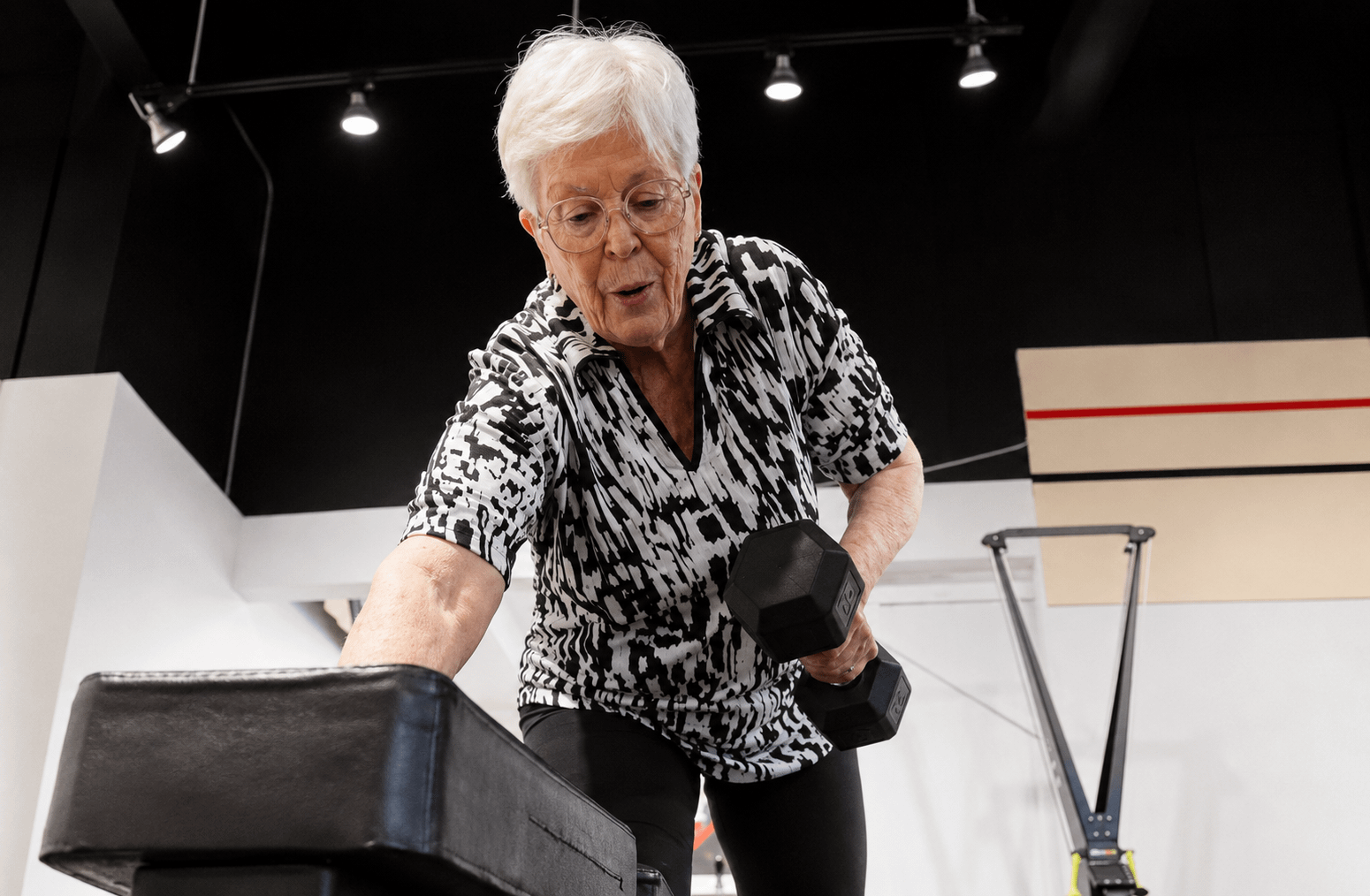
When most people think about strength training, they picture building muscle, improving endurance, or increasing athletic performance. However, one of the most important benefits of lifting weights happens beneath the surface: building stronger bones.
Bone health plays a critical role in maintaining mobility, preventing injuries, and supporting long-term independence. Whether you’re in your twenties, forties, or seventies, incorporating resistance training into your routine can help protect your skeletal system for years to come.
At BPM Fitness Centre, we’re passionate about helping our Victoria community build strength that extends beyond the gym. From beginner-friendly fitness classes to personalized strength programs, our approach emphasizes functional fitness, longevity, and sustainable progress.
Understanding Bone Density: Why Does It Matter?
Bone density refers to the amount of mineral content within your bones, particularly calcium and phosphorus. Higher bone mineral density generally indicates stronger bones that are better equipped to withstand everyday stresses.
Throughout childhood and early adulthood, the body continuously builds bone tissue. Most individuals reach peak bone mass by their late twenties or early thirties. Afterward, bone breakdown may gradually outpace bone formation, particularly with advancing age.
This natural process can increase the risk of developing conditions such as:
- Osteopenia: Lower-than-normal bone density that may progress to osteoporosis.
- Osteoporosis: A condition characterized by reduced bone strength and increased fracture risk.
- Fragility fractures: Broken bones resulting from relatively minor impacts or falls.
Fortunately, regular strength training is one of the most effective lifestyle strategies for supporting bone health and slowing age-related bone loss.
How Does Strength Training Build Stronger Bones?
Bones are living tissues that continuously adapt to the demands placed upon them.
When you perform resistance exercises such as squats, deadlifts, lunges, or loaded carries, your muscles generate forces that place mechanical stress on your bones. This stimulates a process known as bone remodelling.
Two specialized cells are responsible for this process:
- Osteoblasts: Cells that build new bone tissue.
- Osteoclasts: Cells that break down and remove older bone tissue.
Appropriate mechanical loading helps encourage the body to maintain and strengthen its skeletal structure.
Over time, progressive resistance training can improve or preserve bone mineral density, particularly around the hips and spine, two areas commonly affected by osteoporosis.
At BPM Fitness Centre, our qualified coaches emphasize proper lifting mechanics, gradual progression, and individualized exercise modifications to help members train effectively.
The Best Strength Training Exercises for Bone Density
Not all exercise affects bone density equally. Activities that place meaningful resistance through the skeletal system are particularly valuable.
Here are several exercises commonly incorporated into a bone-strengthening fitness program.
1. Squats
Squats strengthen the quadriceps, glutes, and supporting musculature while loading the hips and lower body. Variations include goblet squats, barbell squats, and assisted squats.
2. Deadlifts
Deadlifts strengthen the posterior chain, including the glutes, hamstrings, and back. When appropriately programmed, they provide substantial loading through the hips and spine.
3. Farmer’s Carries
Carrying weights challenges grip strength, posture, core stability, and overall muscular endurance while introducing weight-bearing stress.
4. Step-Ups and Lunges
These unilateral movements strengthen the legs, challenge balance, and help improve coordination for everyday activities.
The key isn’t necessarily lifting the heaviest weight possible. Instead, it’s applying progressive overload, gradually increasing resistance as your strength and technique improve.
Strength Training vs. Cardio: Which Is Better for Bone Health?
Cardiovascular exercise is essential for heart health, endurance, and overall well-being. However, different activities place different demands on the skeletal system.
Walking, running, and other weight-bearing activities can support bone health, while cycling and swimming provide relatively little direct bone-loading stimulus.
Resistance training offers an additional advantage by allowing individuals to progressively increase the forces experienced by their bones.
For comprehensive fitness and longevity, combining strength training, cardiovascular exercise, and balance training is generally the most effective approach.
At BPM, our group fitness classes offer opportunities to develop muscular strength, cardiovascular fitness, and functional movement within a supportive community.
Why Bone Density Becomes Especially Important as We Age
Maintaining bone strength becomes increasingly important with age, particularly for women experiencing menopause.
Declining estrogen levels can accelerate bone loss, increasing the likelihood of osteoporosis and fractures.
However, bone health isn’t exclusively a concern for older adults or women. Men also experience age-related bone loss, and younger individuals benefit from establishing strong exercise habits early.
Strength training offers additional benefits beyond bone density, including improved balance, muscular strength, coordination, and physical confidence.
These adaptations can help reduce fall risk and support independence during everyday activities such as climbing stairs, carrying groceries, or getting up from the floor.
How Often Should You Strength Train for Bone Health?
For most healthy adults, performing resistance training at least two to three times per week provides a practical foundation for improving strength and supporting skeletal health.
An effective program should include exercises targeting major muscle groups, appropriate recovery between sessions, and progressive increases in training difficulty.
Importantly, individuals with osteoporosis, previous fractures, or other medical concerns may require exercise modifications and guidance from qualified healthcare professionals.
Our Personal Training services at BPM Fitness Centre help members establish realistic goals, learn proper exercise techniques, and develop consistent training habits suited to their experience and abilities.
Build Stronger Bones at BPM Fitness Centre
Building stronger bones isn’t about chasing personal records or lifting heavy weights every session. It’s about consistently challenging your body in ways that support long-term health.
Whether you’re beginning your fitness journey, returning after time away, or looking to maintain strength as you age, resistance training can play an important role in protecting your future mobility.
At BPM Fitness Centre, our welcoming community, experienced trainers, and diverse fitness programs make it easier to develop sustainable exercise habits.
Strong muscles support strong bones, and strong bones support an active life.
Ready to start building strength for the years ahead? Explore our fitness classes, discover our Personal Training options, or contact BPM Fitness Centre to find the right starting point.
References
- Kitsuda, Y., Wada, T., Noma, H., Osaki, M., & Hagino, H. (2021). Impact of high-load resistance training on bone mineral density in osteoporosis and osteopenia: A meta-analysis. Journal of Bone and Mineral Metabolism, 39(5), 787–803. https://pubmed.ncbi.nlm.nih.gov/33851269/
- Wang, Z., Zan, X., Li, Y., Lu, Y., Xia, Y., & Pan, X. (2023). Comparative efficacy different resistance training protocols on bone mineral density in postmenopausal women: A systematic review and network meta-analysis. Frontiers in Physiology, 14, 1105303. https://pubmed.ncbi.nlm.nih.gov/36824476/
- Massini, D. A., Nedog, F. H., de Oliveira, T. P., Almeida, T. A. F., Santana, C. A. A., Neiva, C. M., Macedo, A. G., Castro, E. A., Espada, M. C., Santos, F. J., & Pessôa Filho, D. M. (2022). The effect of resistance training on bone mineral density in older adults: A systematic review and meta-analysis. Healthcare, 10(6), 1129. https://pubmed.ncbi.nlm.nih.gov/35742181/
- O’Bryan, S. J., Giuliano, C., Woessner, M. N., Vogrin, S., Smith, C., Duque, G., & Levinger, I. (2022). Progressive resistance training for concomitant increases in muscle strength and bone mineral density in older adults: A systematic review and meta-analysis. Sports Medicine, 52, 1939–1960. https://pubmed.ncbi.nlm.nih.gov/35608815/