When you hear the words balance training, what comes to mind? Perhaps standing on one leg, using a balance board, or exercises designed to help older adults prevent falls. While balance training certainly plays an important role in healthy aging, its benefits extend far beyond one age group.
Whether you’re a competitive athlete, recreational runner, strength training enthusiast, or someone simply looking to move better throughout the day, balance training is an essential component of physical fitness.
At BPM Fitness Centre, we believe well-rounded fitness involves more than building muscle and improving cardiovascular endurance. Developing stability, coordination, and body awareness helps create a stronger foundation for almost every movement we perform.
What Is Balance Training?
Balance training involves exercises that challenge your ability to maintain control of your body’s position, whether you’re standing still or moving.
Your ability to balance depends on three major sensory systems working together:
- Visual System: Your eyes provide information about your surroundings and body position.
- Vestibular System: Located within your inner ear, this system detects head movement and orientation.
- Somatosensory System: Sensory receptors throughout your muscles, joints, and skin help your brain understand where your body is positioned.
Together, these systems allow your nervous system to coordinate muscle activity and maintain stability.
An important component of balance is proprioception, often described as your body’s ability to sense its position and movement without relying entirely on vision.
Improving proprioception and neuromuscular coordination can help make everyday movements more controlled, efficient, and adaptable.
1. Balance Training Benefits People of Every Age
Although balance exercises are frequently associated with older adults, stability is important throughout the lifespan.
Children and teenagers develop coordination and movement skills through physical activity. Adults rely on balance when walking, carrying groceries, climbing stairs, or navigating uneven surfaces.
For older adults, maintaining balance becomes particularly important for preserving independence and reducing fall risk.
However, balance isn’t something we should only begin training once it starts to decline.
Practicing balance exercises earlier in life can develop movement skills and support physical confidence across different activities.
At BPM Fitness Centre, our group fitness classes incorporate movements that challenge coordination, stability, and strength in ways that are adaptable to different experience levels.
2. Better Balance Supports Strength Training
Think about performing a heavy squat, reverse lunge, or single-leg Romanian deadlift.
These exercises require more than muscular strength. They also demand coordinated movement, joint control, and the ability to maintain your centre of mass over your base of support.
When stability is challenged beyond your current ability, it can become difficult to maintain consistent movement technique.
Improving balance and coordination may help you develop greater control during exercises involving shifting weight or single-leg support.
This doesn’t mean every strength exercise should be performed on an unstable surface. In fact, stable surfaces are generally preferable when the primary goal is maximizing strength or force production.
Instead, balance training should complement traditional resistance training, not replace it.
3. Balance Training Can Support Injury Prevention
One of the most valuable potential benefits of balance training is its role in reducing certain injuries.
Research suggests that neuromuscular training programs incorporating balance, strength, coordination, and movement control can reduce the risk of some sports injuries, particularly lower-limb injuries.
For example, exercises challenging single-leg stability may help improve ankle control and dynamic joint stability.
This can be particularly valuable for individuals participating in running, field sports, hiking, or activities involving rapid changes of direction.
However, balance exercises alone cannot prevent every injury. Effective injury prevention also depends on appropriate training loads, adequate recovery, strength, and sport-specific preparation.
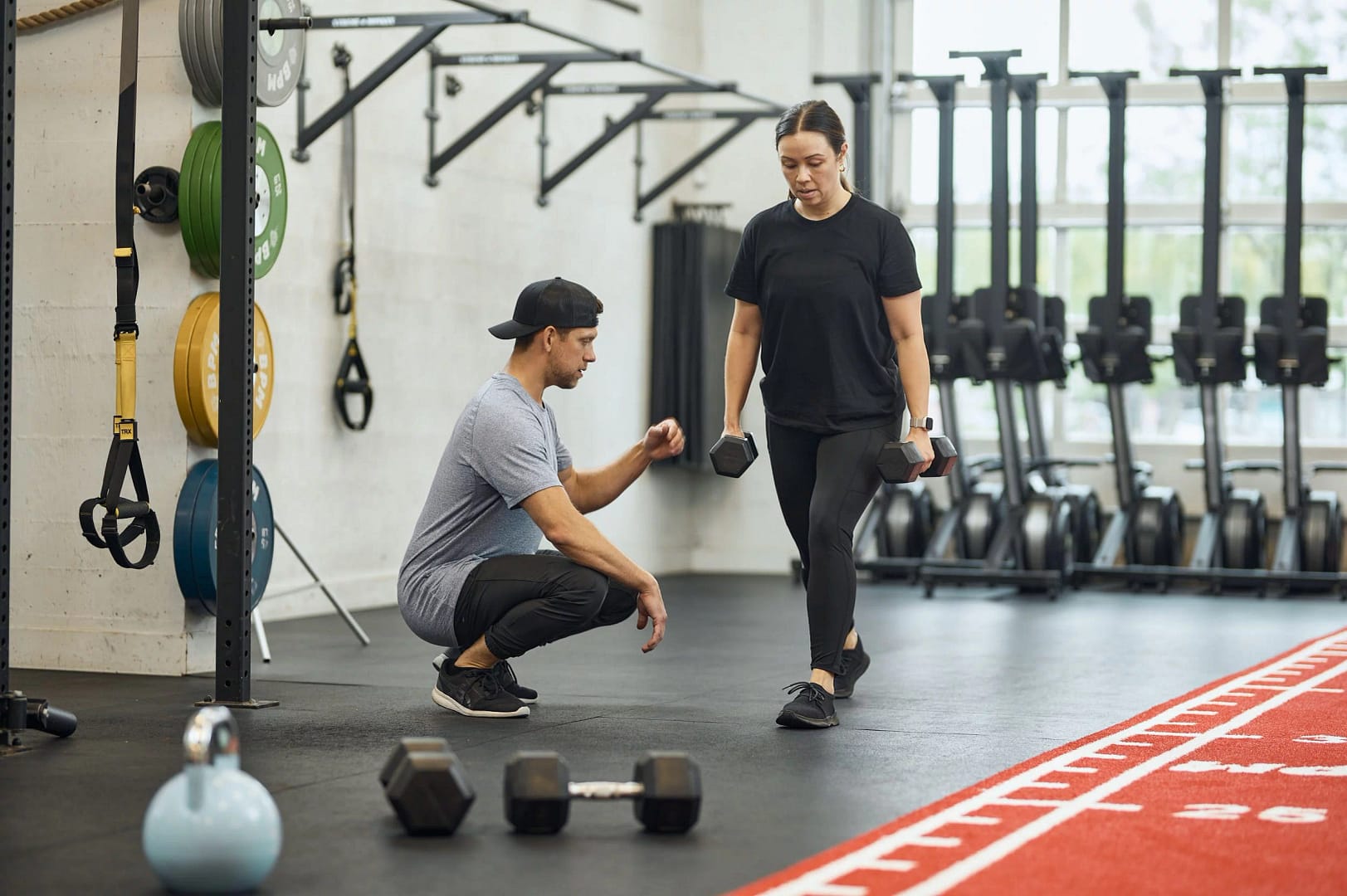
At BPM, our Personal Training services can help individuals develop exercise programs that address strength, mobility, coordination, and individual movement needs.
4. Stability Matters for Athletic Performance
The benefits of balance training isn’t just about avoiding falls. It’s also about controlling movement under changing conditions.
Athletes frequently need to accelerate, decelerate, land, pivot, and transfer force between different positions.
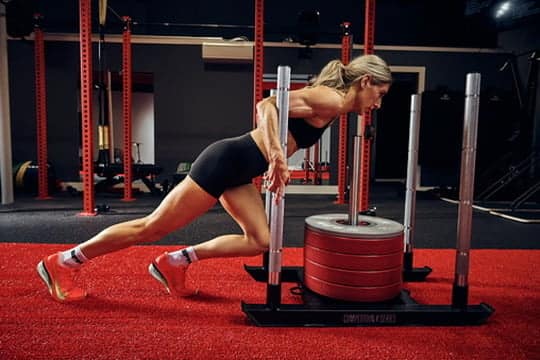
Consider a runner landing repeatedly on one leg, or a HYROX athlete transitioning between running, lunges, and sled work.
Each activity requires coordination between the nervous system and working muscles.
Improved balance can support movement control, although improvements in athletic performance depend on how closely training resembles the demands of the sport.
For runners, assessing single-leg control alongside strength, mobility, and running mechanics may reveal opportunities to improve movement efficiency.
Our Performance+ Running Assessments examine functional movement, aerobic fitness, and running biomechanics to help athletes better understand their individual performance.
5. Balance Training Improves Everyday Functional Fitness
You don’t need to participate in competitive sports to benefit from better balance.
Everyday activities constantly challenge your stability, often without you noticing.
Walking across slippery pavement, stepping off a curb, carrying uneven loads, or reaching for something overhead all require coordinated postural adjustments.
This is where functional fitness and balance training overlap.
By practicing controlled movements in different positions, individuals can improve their ability to respond to changing physical demands.
Simple exercises such as single-leg stands, step-ups, controlled lunges, and heel-to-toe walking can introduce balance challenges without requiring specialized equipment.
The goal is to gradually increase difficulty while maintaining safe, controlled movement.
6. How to Incorporate Balance Training Into Your Routine
The good news? Improving balance doesn’t necessarily require a separate workout.
Balance exercises can be incorporated into warm-ups, strength sessions, or short movement breaks throughout the week.
Consider starting with:
- Single-Leg Stands: Develop basic postural control.
- Reverse Lunges: Combine lower-body strength with dynamic stability.
- Single-Leg Romanian Deadlifts: Challenge hip stability and coordination.
- Step-Ups: Improve controlled weight transfer between legs.
- Farmer Carries: Build strength and trunk control while walking under load.
Begin with manageable exercises, use support when needed, and gradually progress as your confidence and control improve.
Build Strength, Stability, and Confidence at BPM Fitness Centre
Balance training isn’t reserved for older adults, rehabilitation settings, or elite athletes. It’s a valuable component of physical fitness for anyone looking to move with greater control and confidence.
At BPM Fitness Centre, our approach to training combines strength, conditioning, mobility, and functional movement to help members develop well-rounded physical capabilities.
Whether you’re beginning your fitness journey or working toward your next athletic milestone, improving stability can be an important part of your progress.
Ready to build a stronger foundation? Explore our fitness classes, meet our experienced coaching team, or contact BPM Fitness Centre to discover how we can support your training goals.
References
- Dudagoitia Barrio, E., Ramirez-Campillo, R., Garcia de Alcaraz Serrano, A., & Hernandez-García, R. (2022). Effects of core training on dynamic balance stability: A systematic review and meta-analysis. Journal of Sports Sciences, 40(16), 1815–1823. https://pubmed.ncbi.nlm.nih.gov/35976032/
- Wang, P., Liu, Y., & Chen, C. (2024). Effects of neuromuscular training on dynamic balance ability in athletes: A systematic review and meta-analysis. Heliyon, 10(16), Article e35823. https://pubmed.ncbi.nlm.nih.gov/39220942/
- Labata-Lezaun, N., Rodríguez-Rodríguez, S., López-de-Celis, C., Rodríguez-Sanz, J., Canet-Vintró, M., R-Oviedo, G., González-Rueda, V., & Pérez-Bellmunt, A. (2023). Effectiveness of different training modalities on static balance in older adults: A systematic review and meta-analysis. Life, 13(5), Article 1193. https://pubmed.ncbi.nlm.nih.gov/37240838/