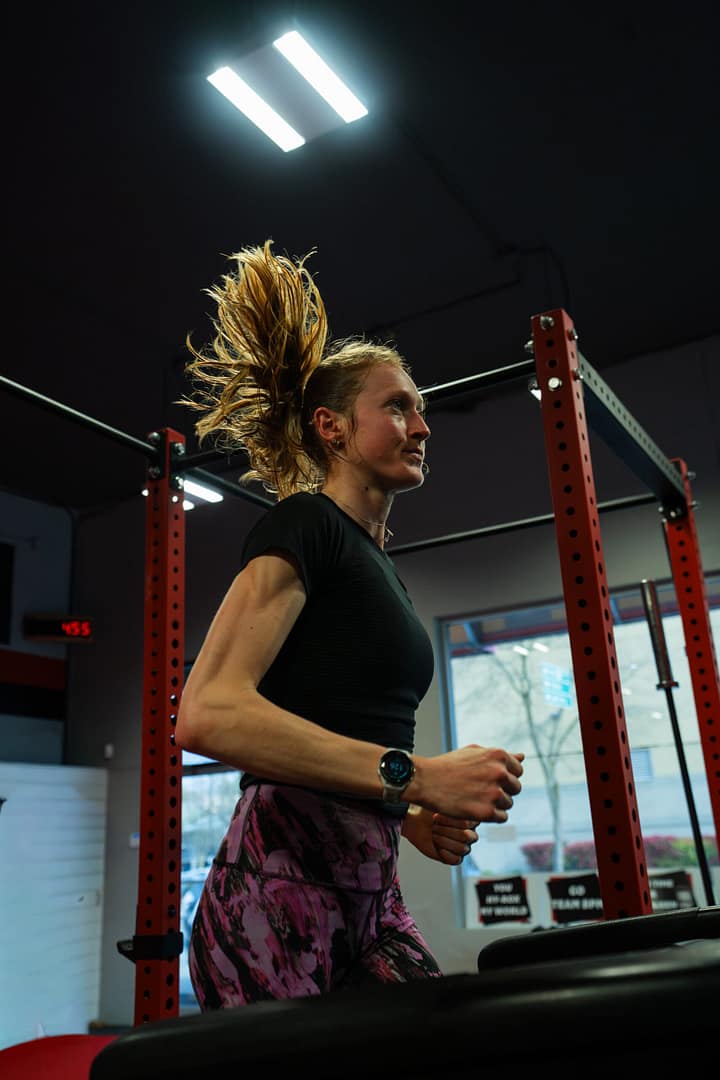

If you’ve committed to exercising consistently, you’ve already taken a huge step toward improving your health. But there’s one mistake we see surprisingly often at BPM Fitness Centre: people train hard while eating too little.
Whether your goal is weight loss, muscle gain, improved athletic performance, HYROX training, running faster, or simply feeling healthier, your body needs enough energy to support your activity level. Under-fuelling can limit your progress, increase injury risk, reduce recovery, and leave you feeling exhausted instead of energized.
At BPM Fitness Centre, we believe that exercise and nutrition work together. Our trainers encourage members to fuel their bodies properly so they can train harder, recover faster, and achieve long-term results.
Why Your Body Needs Fuel
Every workout places stress on your muscles, nervous system, cardiovascular system, and metabolism. That stress is beneficial—but only if your body has the resources to recover afterward.
Food provides the energy needed to:
- Build and repair muscle tissue
- Restore glycogen (stored carbohydrates)
- Support hormone production
- Strengthen the immune system
- Improve recovery between workouts
- Maintain healthy metabolism
- Support brain function and focus
Without enough calories and nutrients, your body begins conserving energy instead of adapting positively to training.
Think of it this way: exercise is the stimulus, but nutrition is what allows your body to improve.
Under-Eating Can Slow Your Progress
Many people assume eating less will always accelerate fitness results. In reality, chronically eating too little while exercising regularly often has the opposite effect.
Common signs of under-fuelling include:
- Constant fatigue
- Poor workout performance
- Slow recovery
- Increased soreness
- Frequent illness
- Difficulty building muscle
- Stalled fat loss
- Low motivation
- Mood changes
- Poor sleep
At BPM Fitness Centre, we often remind clients that progress isn’t determined solely by how hard you train—it also depends on how well you recover.
Carbohydrates: Your Body’s Preferred Fuel
Carbohydrates often receive unnecessary criticism, but they remain the body’s primary fuel source during moderate and high-intensity exercise.
Regardless of what you’re training for, your muscles rely heavily on stored carbohydrates (glycogen).
Insufficient carbohydrate intake can lead to:
- Early fatigue
- Reduced strength
- Slower running pace
- Decreased power output
- Poor concentration
- Longer recovery times
Choosing quality carbohydrate sources such as oats, rice, potatoes, fruit, whole grains, and legumes helps support both performance and recovery.
Protein Helps Build What You Train
Every workout creates microscopic muscle damage. This isn’t harmful—it’s actually how stronger muscles are built.
However, muscle repair requires adequate protein.
Consuming sufficient protein throughout the day helps:
- Stimulate muscle protein synthesis
- Preserve lean muscle while losing fat
- Improve recovery
- Reduce muscle soreness
- Support healthy aging
- Maintain strength during calorie deficits
For members participating in regular resistance training, protein becomes especially important for maximizing training adaptations.
Healthy Fats Matter Too
Healthy fats are essential for:
- Hormone production
- Vitamin absorption
- Joint health
- Brain function
- Long-term energy
Foods like avocados, nuts, seeds, olive oil, and fatty fish provide valuable nutrients that support overall health and athletic performance.
Eliminating fats completely can negatively affect recovery and hormonal balance.
Recovery Starts After Every Workout
Recovery isn’t something that happens only on rest days. Every training session should be followed by proper nutrition.
After exercise, your body works to:
- Rebuild muscle tissue
- Replenish glycogen stores
- Replace fluids
- Restore electrolyte balance
- Reduce inflammation
Eating a meal containing both carbohydrates and protein within a few hours after exercise helps optimize these recovery processes.
The better you recover, the better you’ll perform during your next workout.
Eating Enough Supports Weight Loss Too
One of the biggest misconceptions in fitness is that eating as little as possible leads to better fat loss.
While creating a moderate calorie deficit may be necessary for weight loss, extremely low calorie intake can make progress more difficult.
Chronic under-eating may contribute to:
- Reduced training intensity
- Loss of lean muscle mass
- Increased hunger
- Lower daily energy expenditure
- Reduced motivation to stay active
Maintaining muscle through adequate nutrition helps preserve your metabolism and improves long-term body composition.
At BPM Fitness Centre, we focus on sustainable habits rather than crash dieting or extreme restriction.
Athletes Need Even More Fuel
Individuals training for events like HYROX, obstacle races, running races, hiking adventures, or recreational sports place additional demands on their bodies.
Higher training volume means increased energy needs.
Proper fuelling helps athletes:
- Train consistently
- Improve endurance
- Increase strength
- Maintain power output
- Recover between sessions
- Reduce injury risk
- Improve race-day performance
If you’re preparing for a HYROX event or working with one of our coaches, your nutrition plan should evolve alongside your training program.
Nutrition Is Individual
No two people require exactly the same amount of food.
Calorie needs depend on factors such as:
- Age
- Sex
- Body size
- Muscle mass
- Activity level
- Training intensity
- Recovery demands
- Personal goals
That’s why generic online meal plans rarely work for everyone.
At BPM Fitness Centre, our coaches help members develop realistic nutrition strategies that fit their lifestyle instead of following restrictive diets that aren’t sustainable.
How BPM Fitness Centre Can Help
At BPM Fitness Centre, we understand that successful fitness goes far beyond simply burning calories.
Our team helps clients:
- Build sustainable eating habits
- Fuel workouts effectively
- Improve recovery
- Increase strength safely
- Prepare for HYROX races
- Support weight loss without sacrificing performance
- Improve long-term health
Whether you’re participating in our Group Fitness Classes, working with one of our Personal Trainers, or completing a Running Performance Assessment, our goal is to help you train smarter—not just harder.
Start Fueling Your Success
Exercise is only one piece of the puzzle. Giving your body enough energy through balanced nutrition allows you to recover, perform, and continue progressing week after week.
If you’ve been feeling tired despite exercising consistently, struggling to recover between workouts, or noticing stalled progress, your nutrition may deserve just as much attention as your training plan.
The team at BPM Fitness Centre is here to help you find the right balance between exercise, recovery, and nutrition so you can feel stronger, healthier, and more confident every step of the way.
References
- Guisado-Cuadrado, I., Recacha-Ponce, P., Peinado, A. B., & Romero-Parra, N. (2026). Biochemical responses to experimentally induced short-term low energy availability in athletes: A systematic review. Scandinavian Journal of Medicine & Science in Sports, 36(3), e70249. https://pubmed.ncbi.nlm.nih.gov/41794545/
- Close, G. L., Morton, J. P., & colleagues. (2025). Nutritional strategies to improve post-exercise recovery and subsequent exercise performance: A narrative review. Sports Medicine. https://pubmed.ncbi.nlm.nih.gov/40221559/
- Witard, O. C., & colleagues. (2025). Protein nutrition for endurance athletes: A metabolic focus on promoting recovery and training adaptation. Sports Medicine. https://pubmed.ncbi.nlm.nih.gov/40117058/
- Craven, J., Desbrow, B., Sabapathy, S., Bellinger, P., McCartney, D., & Irwin, C. (2021). The effect of consuming carbohydrate with and without protein on the rate of muscle glycogen re-synthesis during short-term post-exercise recovery: A systematic review and meta-analysis. Sports Medicine – Open, 7(1), 9. https://pubmed.ncbi.nlm.nih.gov/33507402/