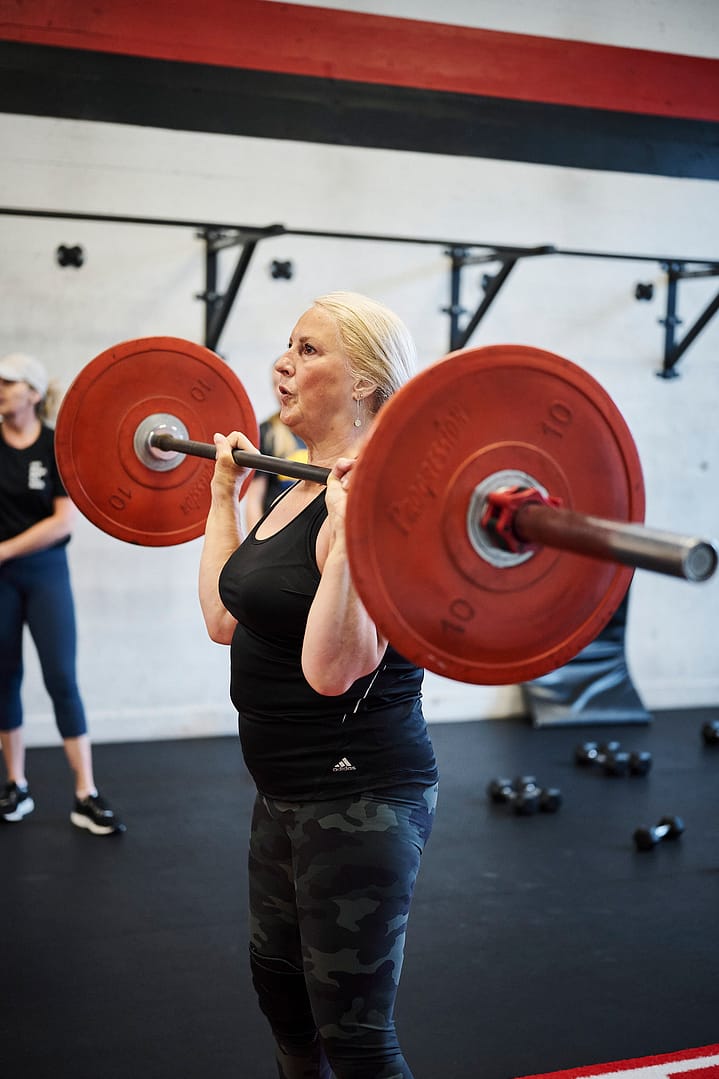

If your goal is muscle gain, better energy, improved athletic performance, or simply feeling your best, hydration plays a bigger role than most people realize. Especially with the summer months upon us, it’s important to remember to hydrate adequately.
At BPM Fitness Centre in Victoria, BC, we often see people focus heavily on workouts, nutrition plans, supplements, and recovery strategies while overlooking one of the most powerful performance tools available: water.
The truth is that even mild dehydration can negatively impact strength, endurance, recovery, focus, and overall health. If you’re training with us at BPM Fitness Centre regularly by attending group fitness classes, participating in HYROX training, or working with a personal trainer, proper hydration can make a noticeable difference in your results.
Why Hydration Matters for Exercise Performance
Water is involved in virtually every process in the human body. It helps:
- Regulate body temperature
- Transport nutrients and oxygen
- Lubricate joints
- Support digestion
- Maintain blood volume
- Improve cardiovascular function
- Remove waste products
- Aid muscle contraction
When you’re dehydrated, your body has to work harder to perform these basic functions.
Research has shown that losing as little as 2% of body weight through sweat can significantly reduce exercise performance, particularly during endurance activities and high-intensity workouts.
For example, if you weigh 180 pounds, a loss of just 3.6 pounds of fluid can begin to affect performance.
Signs You May Be Dehydrated
Many people don’t realize they’re underhydrated until symptoms become obvious.
Common signs include:
- Headaches
- Fatigue
- Muscle cramps
- Dizziness
- Reduced endurance
- Elevated heart rate during exercise
- Difficulty concentrating
- Dark yellow urine
- Increased recovery time
If you regularly experience these symptoms during or after workouts, hydration may be part of the problem.
Hydration and Strength Training
Many people associate hydration with running or endurance sports, but it is equally important for strength training.
When you’re dehydrated:
- Strength output decreases
- Power production declines
- Coordination suffers
- Fatigue sets in earlier
- Recovery slows down
Whether you’re lifting weights during a StrengthCon class, participating in Personal Training sessions, or attending Bootcamp workouts, proper hydration helps your muscles perform at their best.
The result?
More productive workouts and better long-term progress.
Hydration for HYROX Training and Endurance Athletes
HYROX athletes place unique demands on their bodies.
Combining running, sled pushes, rowing, SkiErg, burpees, lunges, and carries creates substantial fluid loss through sweat.
Proper hydration can help:
- Maintain pacing during runs
- Improve cardiovascular efficiency
- Delay fatigue
- Support electrolyte balance
- Reduce the risk of cramping
If you’re participating in BPM’s HYROX training classes, hydration should be considered part of your training plan—not an afterthought.
How Much Water Should You Drink?
The answer depends on several factors:
- Body size
- Activity level
- Climate
- Sweat rate
- Exercise intensity
A practical starting point is 2-3 litres per day for most adults, but if you’re exercising on a regular basis, you may need significantly more than that. A common recommendation is to drink half of your body weight (in pounds) in ounces of water per day.
For example:
- 150 lb person = 75 oz
- 200 lb person = 100 oz
Athletes and highly active individuals often require additional fluids during training.
Do You Need Electrolytes?
Water alone isn’t always enough. When you sweat, you lose important minerals including sodium, potassium, magnesium and calcium.
For workouts lasting longer than 60 minutes, intense training sessions, hot weather, or multiple workouts per day, electrolyte replacement may be beneficial.
This is especially relevant for:
- HYROX athletes
- Endurance runners
- Competitive athletes
- Individuals using sauna and contrast therapy regularly
Hydration and Recovery
Recovery begins the moment your workout ends. Hydration supports a number of bodily functions, which includes the following:
- Muscle repair
- Nutrient delivery
- Reduced soreness
- Temperature regulation
- Overall recovery capacity
Many people prioritize protein shakes after training but neglect replacing lost fluids, but the best recovery plans include both.
Hydration and Contrast Therapy
Cold plunges and sauna sessions are becoming increasingly popular for recovery and wellness. While contrast therapy offers many potential benefits, both heat exposure and repeated sweating can increase fluid loss.
If you’re using BPM’s Contrast Therapy services, make hydration a priority before, during, and after your session. Failing to replace fluids can increase the likelihood of headaches, dizziness, fatigue, and poor recovery outcomes.
Simple Hydration Tips for Busy People
If you’re struggling to drink enough water throughout the day, try these strategies:
- Start your day with water – It’s recommended that you drink between 500-750mL upon waking
- Carry a reusable water bottle – If you keep water nearby, you’re more likely to drink
- Drink before you feel thirsty – Thirst is often a sign that you’re already becoming dehydrated
- Add electrolytes during hard training – Especially during long workouts or hot summer days
Key Takeaways
Hydration is one of the easiest ways to improve performance and recovery.
The best fitness program in the world cannot overcome chronic dehydration.
Small daily habits create big long-term results.
If you’re ready to improve your fitness, nutrition, performance, and recovery, our team is here to help.
References
- Goulet, E. D. B. (2012). Dehydration and endurance performance in competitive athletes. Nutrition Reviews, 70(Suppl. 2), S132–S136. https://pubmed.ncbi.nlm.nih.gov/23121348/
- Kraft, J. A., Green, J. M., Bishop, P. A., Richardson, M. T., Neggers, Y. H., & Leeper, J. D. (2012). The influence of hydration on anaerobic performance: A review. Research Quarterly for Exercise and Sport, 83(2), 282–292. https://pubmed.ncbi.nlm.nih.gov/22808714/
- Barley, O. R., Chapman, D. W., Blazevich, A. J., & Abbiss, C. R. (2018). Acute dehydration impairs endurance without modulating neuromuscular function. Frontiers in Physiology, 9, 1562. https://pubmed.ncbi.nlm.nih.gov/30450056/
- Ayotte, D., Jr., & Corcoran, M. P. (2018). Individualized hydration plans improve performance outcomes for collegiate athletes engaging in in-season training. Journal of the International Society of Sports Nutrition, 15(1), 27. https://pubmed.ncbi.nlm.nih.gov/29866199/