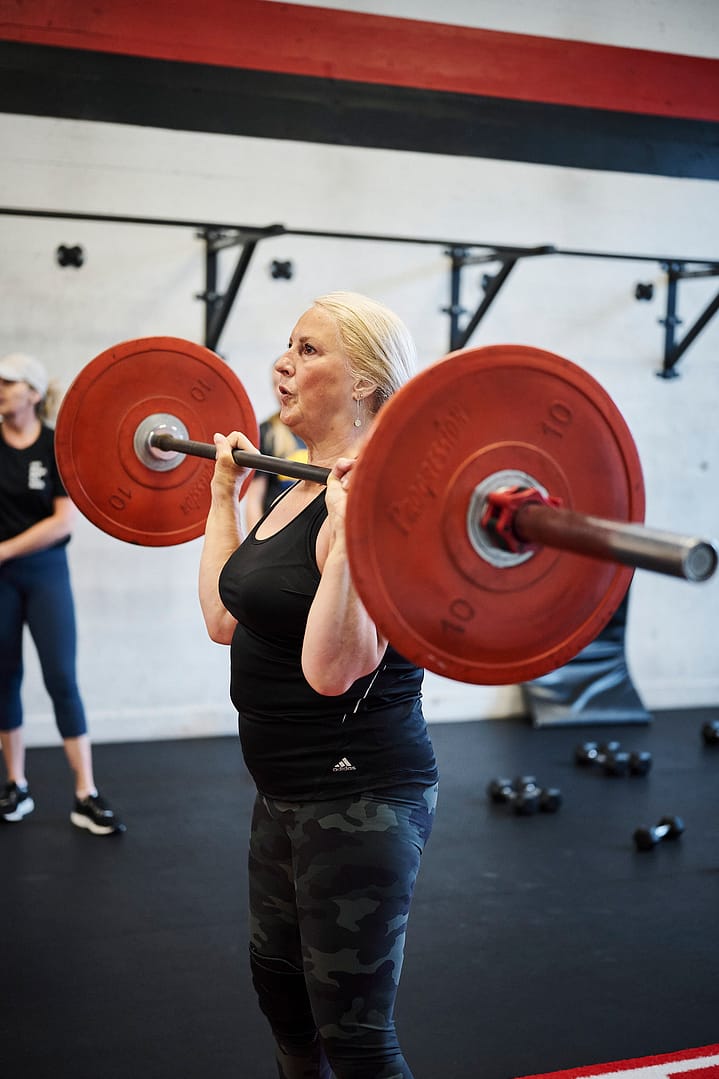

Training 5–6 days a week but not seeing results? Here’s why your progress has stalled, and how to actually get fitter with smarter training. Training this much is not the problem, and training more is not the solution.
Training 5–6 days a week should lead to progress. For a lot of people, it doesn’t. Instead, they feel stuck, fatigue, and inconsistent in performance. This usually isn’t an effort issue. It’s a structure and recovery issue.
Your body only improves if it can adapt. And adaptation requires the right balance between training stress and recovery.
Why Progress Stalls:
- Recovery is too low. Progress happens after training, not during it. If recovery is limited (sleep, nutrition, stress), your body can’t adapt effectively.
- Training lacks progression. Repeating the same workouts leads to maintenance, not improvement. If nothing is increasing – load, volume, intensity – there’s no reason for your body to change.
- Intensity is Mismanaged. Most people train in the same range every day which is not easy enough to recover, and not hard enough to improve. This creates fatigue without meaningful adaptation.
- Lifestyle doesn’t support training. Training is one input. Daily movement, nutrition, and stress all affect results. Low daily movement can offset workouts, inconsistent nutrition can limit performance, and overly restrictive eating can reduce energy and output.
- More volume replaces better structure. When progress stalls, most people add more classes, more runs, and more sessions. Without structure, more volume increases fatigue – not fitness.
What Actually Drives Progress:
Improvement comes from:
- Structured programming
- Progressive overload
- Clear distribution of intensity
- Adequate recovery
Training frequency only works when these are in place.
How to Know If Your Training Is Working:
- Performance is improving (strength, pace, output)
- Fatigue is manageable, not constant
- Sessions have purpose and progression
If none of these are happening, frequency isn’t the issue, programming is.
Who this impacts:
Training 5–6 days per week, plateaued performance, consistently fatigued or sore balancing strength and conditioning without clear progress.
Conclusion
If you’re not getting fitter, the issue isn’t how often you train.
It’s how your training is structured, and whether your body can recover from it.