Learn how to improve your running form, prevent injuries, and boost performance with expert tips from BPM Fitness Centre in Victoria, BC. Perfect for beginners and experienced runners.
Why Most People Are Running Wrong (And Don’t Know It)
Running seems simple—just put one foot in front of the other, right?
Not quite.
Most runners develop inefficient movement patterns over time. These small inefficiencies—poor posture, overstriding, weak hips—can quietly limit your performance and increase your risk of injury.
At BPM Fitness Centre, we see it all the time: motivated people training hard but not seeing results… or worse, dealing with nagging pain.
The good news? With a few key adjustments, you can completely transform how you run.
The 5 Fundamentals of Better Running
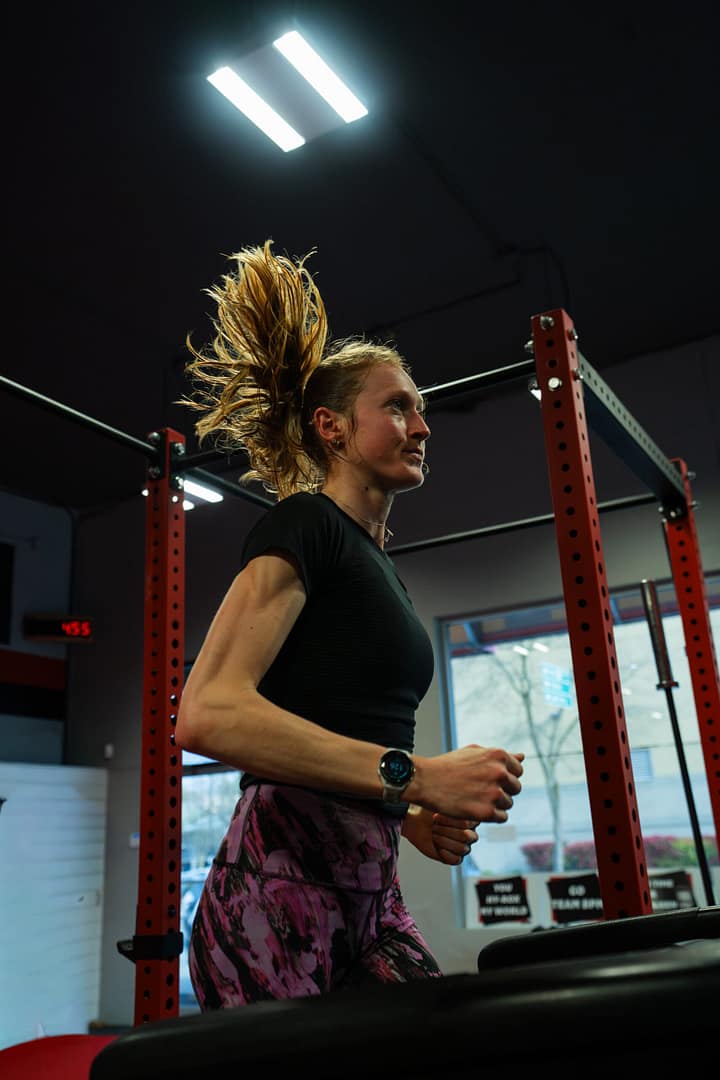
1. Posture: Run Tall, Not Tight
Think “tall and relaxed.”
- Chest up, shoulders down
- Slight forward lean from the ankles (not the hips)
- Eyes looking ahead—not down
Good posture improves breathing efficiency and reduces unnecessary strain.
2. Cadence: Speed Up Your Turnover
One of the biggest game-changers in running performance is cadence (steps per minute).
- Ideal range: ~160–180 steps per minute
- Shorter, quicker steps reduce impact forces
- Helps eliminate overstriding (a major injury risk)
Quick win: Try increasing your cadence by 5–10%—you’ll instantly feel smoother.
3. Foot Strike: Land Under Your Body
Forget heel vs. forefoot debates—the real goal is this:
👉 Land with your foot directly under your center of mass.
Overstriding (landing too far in front) acts like a braking force and increases stress on your joints.
4. Arm Drive: Your Hidden Power Source
Your arms control rhythm more than your legs.
- Keep elbows at ~90 degrees
- Drive arms forward and back (not across your body)
- Relax your hands (no clenched fists)
Better arm mechanics = better efficiency.
5. Breathing: Don’t Leave Oxygen on the Table
Many runners unknowingly limit their performance with shallow breathing.
- Aim for deep, rhythmic breathing
- Try a 2:2 pattern (inhale for 2 steps, exhale for 2 steps)
- Stay relaxed—tension wastes energy
Why Strength Training is Non-Negotiable for Runners
If you want to run better, you need to get stronger. Period.
Strength training improves:
- Running economy (use less energy at the same pace)
- Injury resilience
- Power and speed
Focus on:
- Glutes (hip stability)
- Hamstrings (posterior chain strength)
- Core (force transfer and posture)
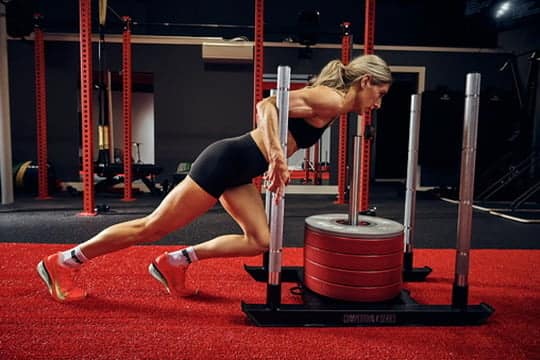
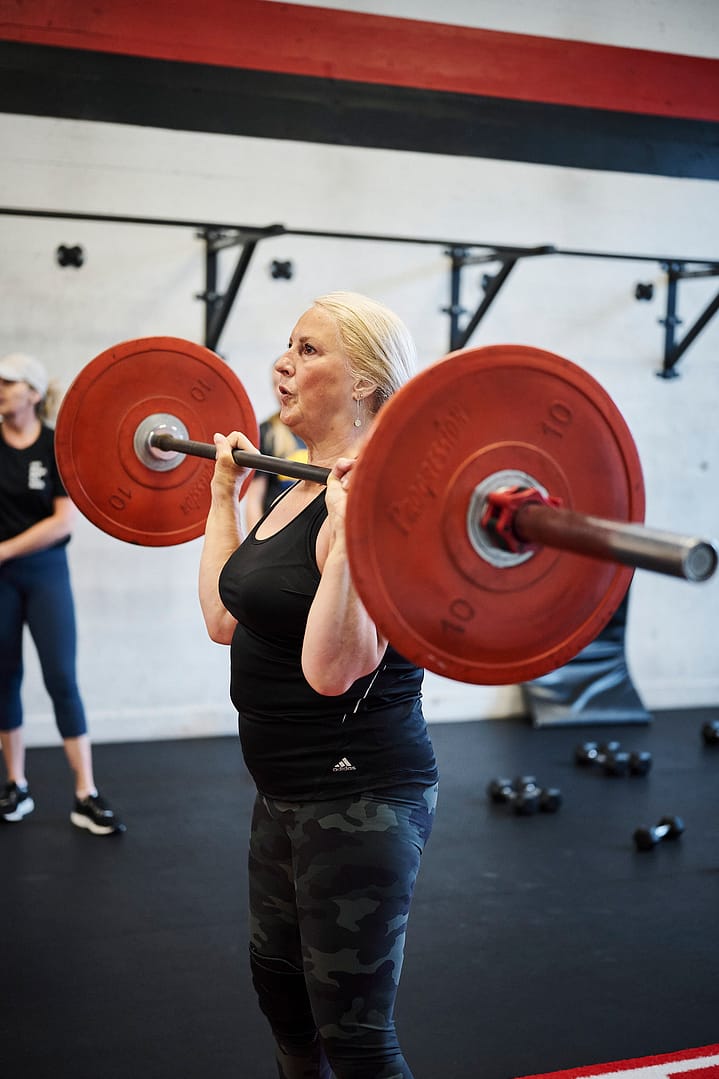
We integrate strength into running programs because running alone isn’t enough.
The #1 Reason Runners Get Injured
It’s not bad luck.
It’s usually a combination of:
- Poor mechanics
- Sudden increases in training volume
- Lack of strength or mobility
According to research published in the British Journal of Sports Medicine, up to 79% of runners experience an injury each year (van Gent et al., 2007).
That’s not a coincidence—it’s a system problem.
How to Fix Your Running (The Smart Way)
You could guess and hope for the best…
Or you could get assessed.
A proper running assessment looks at:
- Biomechanics (how you move)
- Mobility restrictions
- Strength imbalances
- Stride efficiency
No guesswork. No wasted miles.
Who This Is For
This approach works whether you are:
- Just starting your running journey
- Training for a 5K, 10K, or HYROX event
- Dealing with recurring injuries
- Looking to improve performance without burning out
Simple Action Plan You Can Start Today
If you want immediate results, start here:
- Increase cadence slightly (5–10%)
- Focus on posture (run tall, relaxed)
- Add 2 strength sessions per week
- Stop pushing through pain—address it early
- Get a professional assessment
Ready to Run Smarter?
If you’re serious about improving your running, it’s time to stop guessing.
👉 Book your Performance+ Running Assessment at BPM Fitness Centre and get a personalized plan built for your body, your goals, and your lifestyle.
References
Van Gent, R. N., Siem, D., van Middelkoop, M., van Os, A. G., Bierma-Zeinstra, S. M. A., & Koes, B. W. (2007). Incidence and determinants of lower extremity running injuries in long distance runners: a systematic review. British Journal of Sports Medicine, 41(8), 469–480.
Barnes, K. R., & Kilding, A. E. (2015). Running economy: measurement, norms, and determining factors. Sports Medicine, 45(1), 37–56.