
Lifting heavier weights can be exciting. Adding another plate to the bar or setting a new personal best provides a clear sign of progress. However, when strength training technique begins to break down, more weight does not necessarily mean better results. Instead, proper exercise form is the foundation for any fitness success and injury prevention.
At BPM Fitness Centre, we believe the best strength training programs prioritize proper exercise form, controlled progression, and consistent coaching. Whether you are new to the gym, training for a sport, preparing for HYROX, or working toward long-term strength, movement quality should always come before the number on the bar.
What Is Proper Exercise Form?
Proper exercise form means performing an exercise with technique that suits your body, experience, mobility, and training goal. It includes maintaining control, using an appropriate range of motion, keeping your joints in stable positions, and engaging the intended muscles.
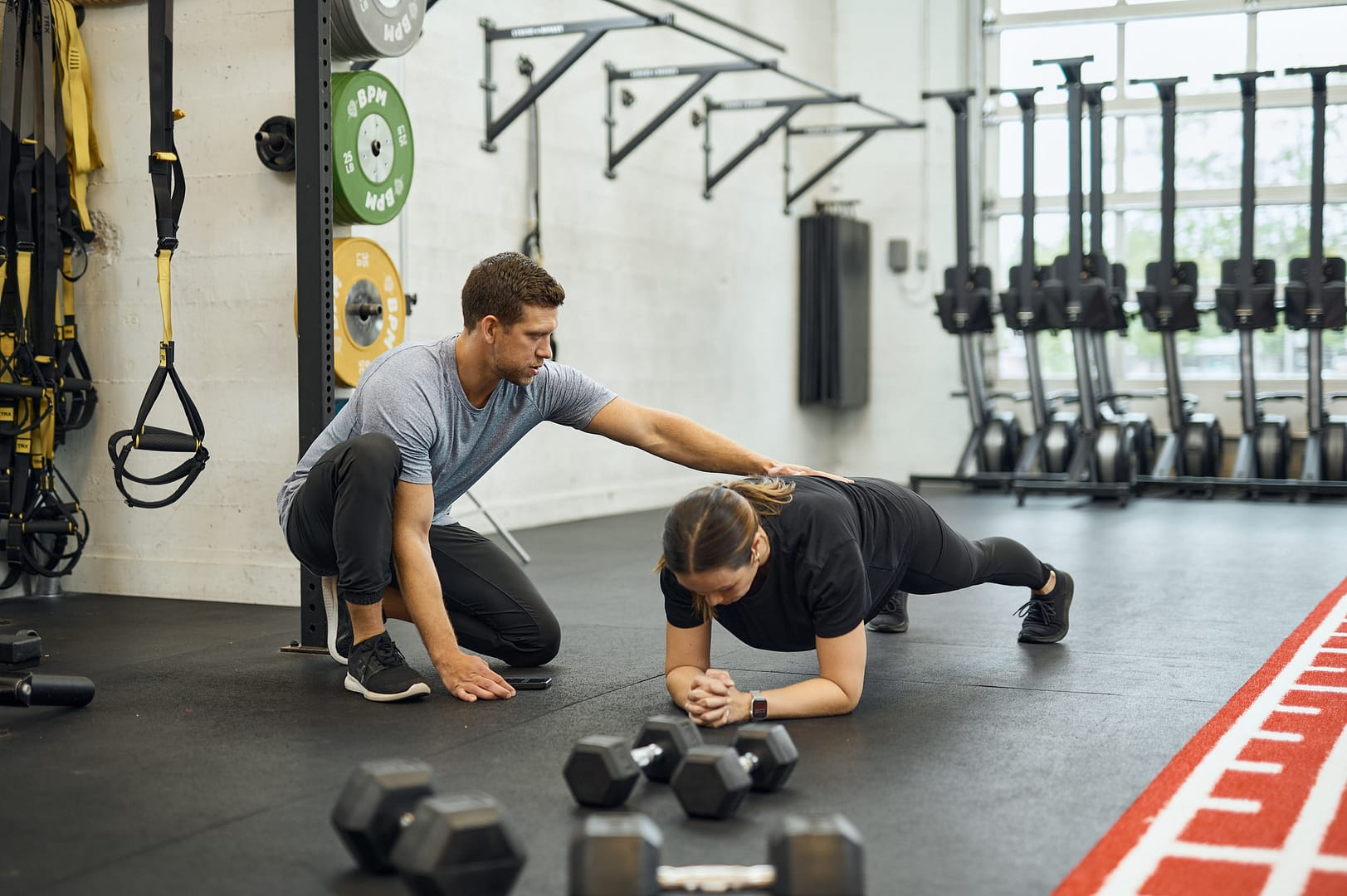
Good form does not always look identical from person to person. Differences in limb length, mobility, training history, and previous injuries can influence how someone squats, deadlifts, presses, or lunges. That is why working with an experienced personal trainer can be so valuable. A qualified trainer can help you find the safest and most effective version of an exercise for your individual needs.
Why Is Proper Form More Important Than Lifting Heavy?
The purpose of strength training is not simply to move the heaviest possible weight from one place to another. The goal is to apply an appropriate training stimulus while maintaining control and developing useful strength.
When a weight is too heavy, the body often compensates. You might shorten your range of motion, rush through the movement, lose control, or rely on muscles that were not meant to do most of the work. These compensations can reduce the effectiveness of an exercise and place unnecessary stress on joints and surrounding tissues.
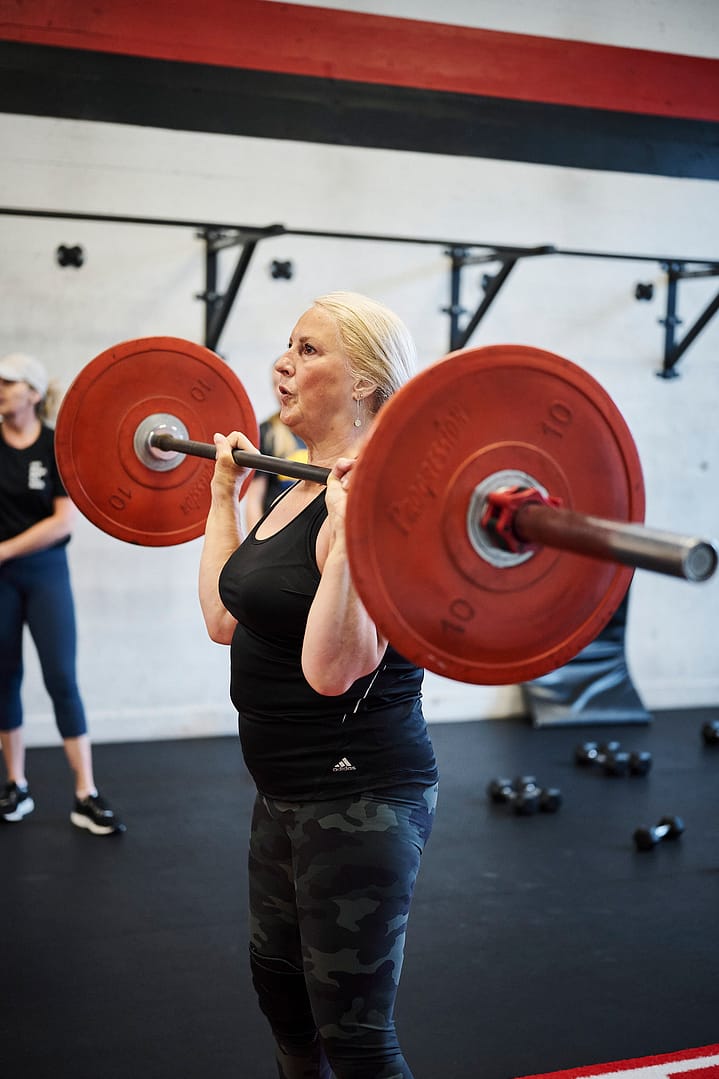
Using proper lifting technique helps you direct the exercise toward the muscles and movement patterns you actually want to train. A controlled squat at a manageable weight will usually provide more productive practice than a heavier squat performed with inconsistent depth and stability.
In simple terms, the right weight is the one you can lift with confidence, control, and repeatable technique.
Good Technique Builds Better Long-Term Strength
Lifting with proper form does not mean avoiding challenging weights. It means earning the ability to lift heavier through gradual, well-planned progression.
Every repetition gives your body an opportunity to practise a movement pattern. When you consistently train with good technique, that pattern becomes more familiar and efficient. Over time, improved coordination can help you produce more force and handle heavier loads without immediately losing control.
This is why experienced lifters continue to practise technique. Strength is not only about muscle; it also depends on coordination, stability, positioning, and confidence under load.
At BPM, our Strength Conditioning classes focus on exercise mechanics, skill development, progressive strength training, and overall conditioning. Coaches demonstrate movements, offer modifications, and help members select loads that match their current abilities.
Proper Form Helps Reduce Avoidable Injury Risk
No form of exercise is completely risk-free, and there is no single “perfect” technique that prevents every injury. However, appropriate form, load selection, and recovery can reduce avoidable risks.
Problems are more likely to occur when someone lifts beyond their current capacity, ignores discomfort, performs repeated uncontrolled movements, or increases training volume too quickly. Proper technique helps distribute force more effectively and makes it easier to recognize when fatigue is beginning to change the movement.
Learning how to brace, breathe, control a weight, and stop a set when technique deteriorates creates a stronger foundation for safe strength training. If a movement causes sharp or persistent pain, it should not simply be pushed through. A coach can help modify the exercise or recommend seeking advice from an appropriate healthcare professional.
Technique Matters in Every Type of Training
Proper form is not only important during barbell lifts. It matters in dumbbell exercises, kettlebell training, bodyweight movements, running, rowing, and high-intensity workouts.
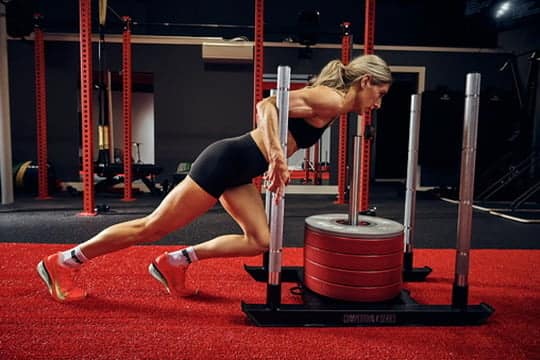
Technique becomes especially important when fatigue and speed are added. During HYROX training, for example, athletes combine running with movements such as sled pushes, farmer’s carries, lunges, rowing, and wall balls. The goal is to maintain efficient movement even when tired—not to sacrifice control for a faster time or heavier load.
The same principle applies in BPM’s other fitness classes: Bootcamp, HIIT, Cross Conditioning, and Hybrid Strength classes. Scaling the weight or modifying a movement is not a step backward. It is a practical way to preserve movement quality while continuing to train at an appropriate intensity.
Signs That You May Be Lifting Too Heavy
Your current weight may be too heavy if:
- Your range of motion becomes noticeably shorter.
- You cannot control the lowering portion of the exercise.
- Your balance or joint position changes significantly.
- Every repetition looks different.
- You need momentum to complete an exercise that should be controlled.
- You cannot maintain your technique for the planned number of repetitions.
Reducing the load allows you to rebuild control and consistency. Once the movement is repeatable, weight can be added gradually.
Build Strength the Smarter Way at BPM Fitness Centre
At BPM Fitness Centre, strength training is about more than chasing numbers. Our coaches help people learn proper exercise form, understand their training, and build strength that supports everyday life, athletic performance, and long-term health.
If you want to improve your lifting technique, move with greater confidence, or follow a program designed around your goals, contact BPM’s team of personal trainers and coaches and take the next step.
Lift heavy—but first, learn to lift well.
References
- Pallarés, J. G., Hernández-Belmonte, A., Martínez-Cava, A., Vetrovsky, T., Steffl, M., & Courel-Ibáñez, J. (2021). Effects of range of motion on resistance training adaptations: A systematic review and meta-analysis. Scandinavian Journal of Medicine & Science in Sports, 31(10), 1866–1881. https://pubmed.ncbi.nlm.nih.gov/34170576/
- Grgic, J., Schoenfeld, B. J., Orazem, J., & Sabol, F. (2022). Effects of resistance training performed to repetition failure or non-failure on muscular strength and hypertrophy: A systematic review and meta-analysis. Journal of Sport and Health Science, 11(2), 202–211. https://pubmed.ncbi.nlm.nih.gov/33497853/
- Lopez, P., Radaelli, R., Taaffe, D. R., Newton, R. U., Galvão, D. A., Trajano, G. S., Teodoro, J. L., Kraemer, W. J., Häkkinen, K., & Pinto, R. S. (2021). Resistance training load effects on muscle hypertrophy and strength gain: Systematic review and network meta-analysis. Medicine & Science in Sports & Exercise, 53(6), 1206–1216. https://pubmed.ncbi.nlm.nih.gov/33433148/