For many people, a morning coffee is an essential part of their daily routine. But beyond helping us feel awake, caffeine has become one of the most extensively researched substances in sports nutrition. From improving endurance to enhancing focus, research suggests that caffeine can influence how our bodies respond to exercise performance.
At BPM Fitness Centre, we believe understanding the science behind exercise and nutrition is an important part of building a sustainable fitness routine.
Whether you’re participating in strength training, tackling a challenging HYROX workout, or attending a group fitness class, understanding caffeine’s effects can help you make informed decisions about your training and recovery.
How Does Caffeine Work in the Body?
Caffeine is a naturally occurring stimulant found in coffee, tea, cocoa, and several other foods and beverages. Its primary effects occur within the central nervous system.
Throughout the day, our brains accumulate a chemical messenger called adenosine, which contributes to feelings of tiredness. Adenosine binds to receptors in the brain, gradually increasing our desire to rest.
Caffeine works by temporarily blocking these adenosine receptors, reducing the perception of fatigue and increasing alertness.
This interaction can influence several factors related to exercise performance, including:
- Mental focus and concentration
- Perceived effort during exercise
- Reaction time and alertness
- Muscular endurance
- Aerobic exercise performance
However, caffeine doesn’t actually eliminate fatigue or replace the need for adequate sleep. Instead, it temporarily changes how our brains perceive tiredness.
Caffeine and Strength Training: Can It Improve Muscular Performance?
One of the most interesting areas of caffeine research involves resistance training and muscular performance.
Scientific reviews suggest that caffeine can produce modest improvements in muscular strength, power output, and muscular endurance in some circumstances.
Researchers believe these benefits are primarily associated with caffeine’s effects on the nervous system, including increased alertness and changes in perceived exertion.
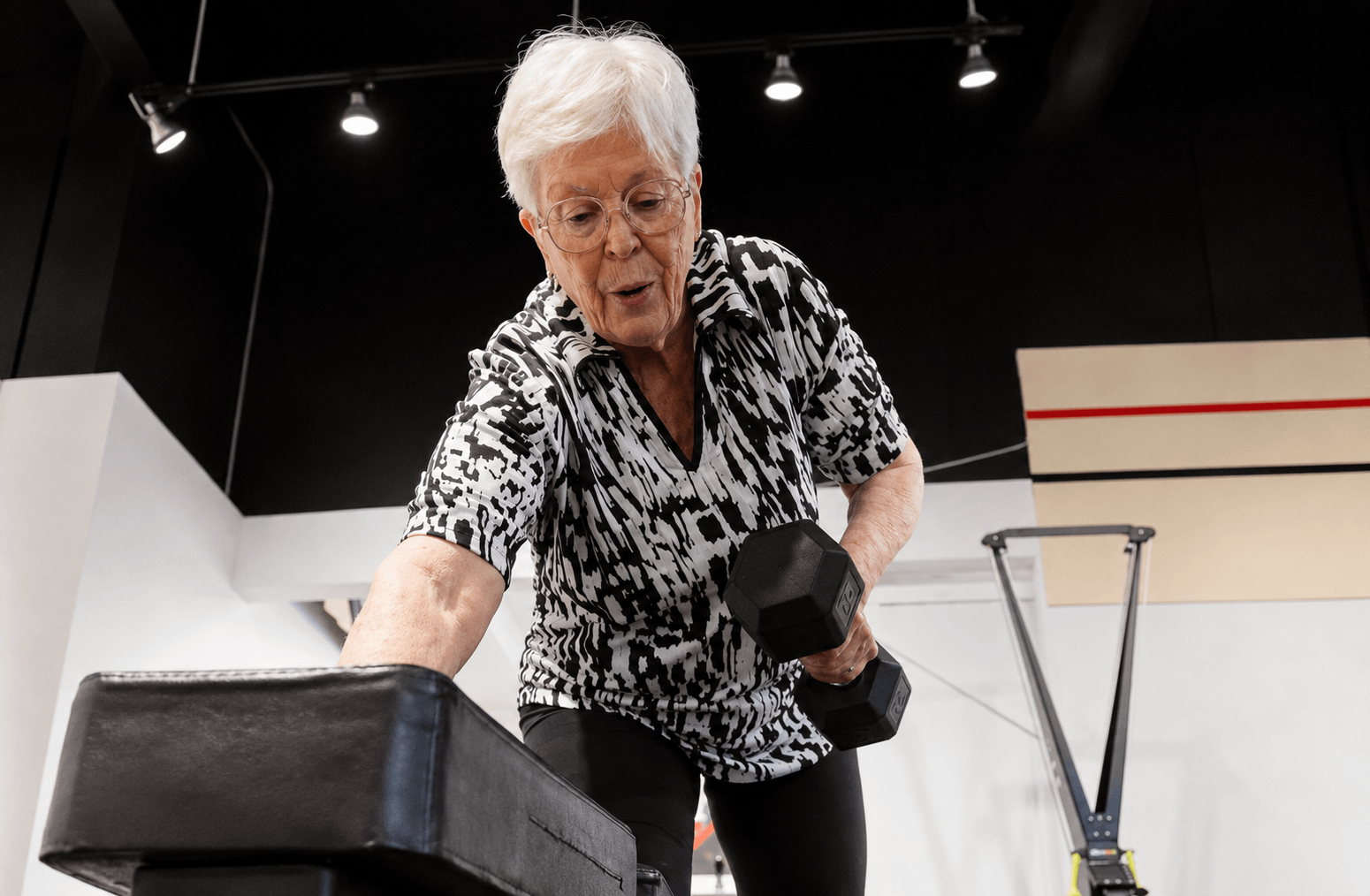
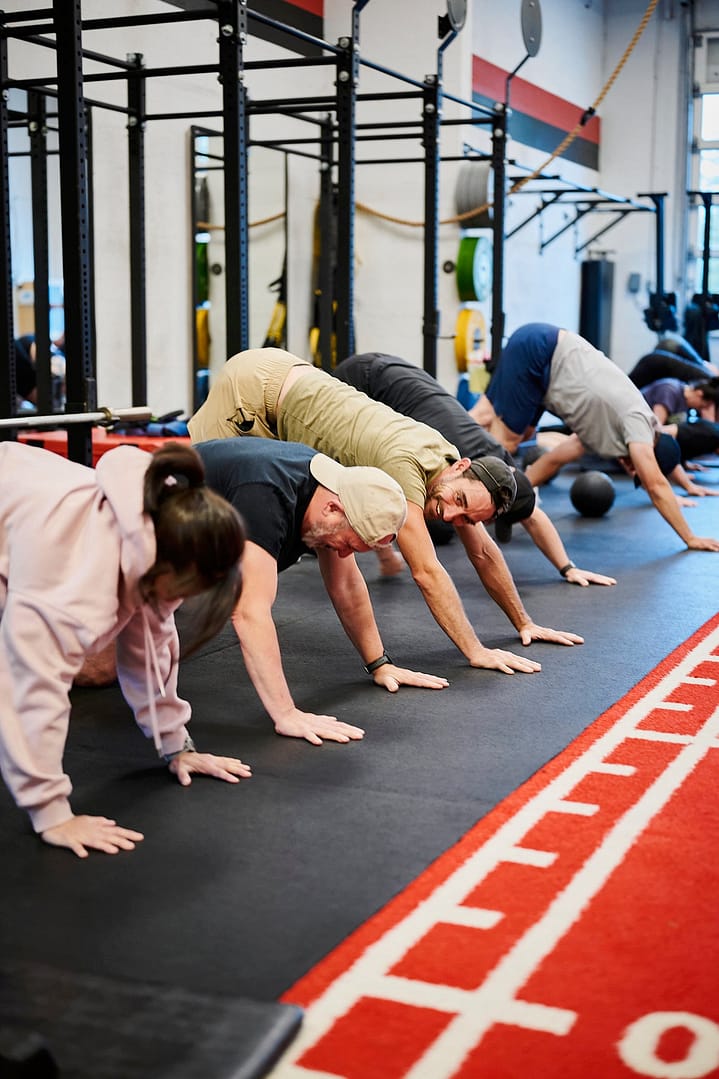
For individuals participating in strength training and group fitness classes at BPM Fitness Centre, this research provides interesting insight into the relationship between nutrition, neurological function, and physical performance.
However, individual responses vary considerably. Caffeine does not guarantee heavier lifts, better technique, or improved results.
Consistent training, appropriate exercise progression, and sufficient recovery remain the foundations of developing strength.
Caffeine and Endurance: Why Athletes Are Interested
Caffeine’s relationship with endurance exercise has been studied for decades.
Research suggests that caffeine can improve performance in certain endurance activities, particularly by reducing perceived exertion and helping individuals maintain effort during prolonged exercise.
This is especially relevant to activities that combine cardiovascular endurance with muscular demands.
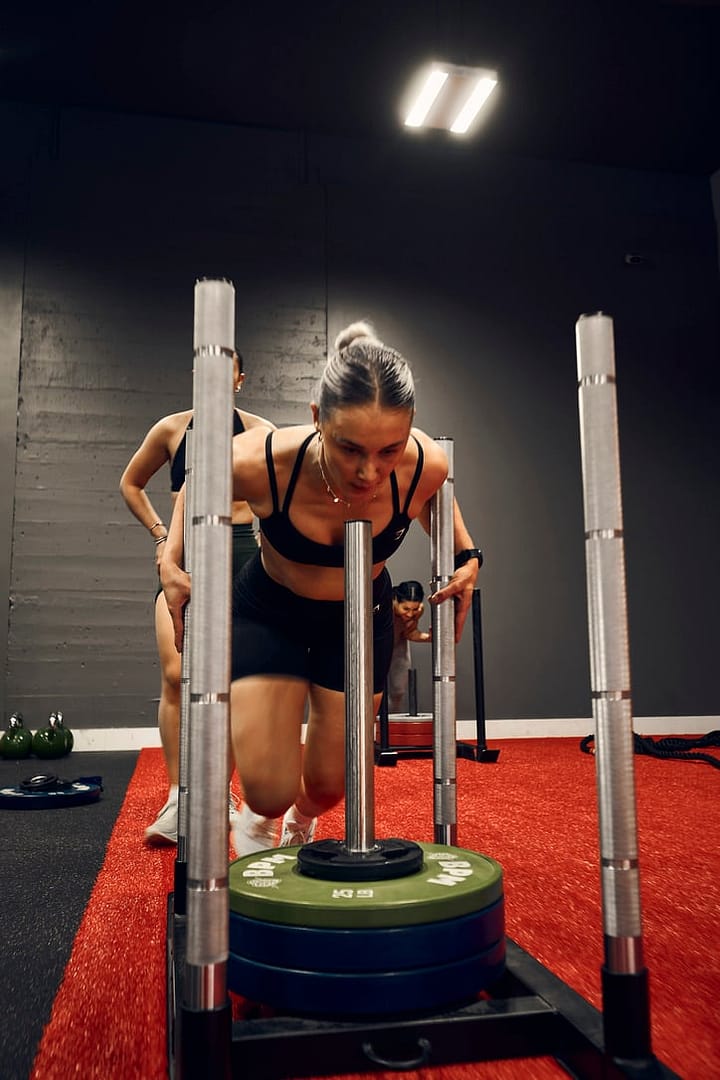
For example, HYROX training at BPM Fitness Centre incorporates running, functional movements, and strength-based stations that challenge multiple energy systems.
During demanding workouts, fatigue develops through a combination of muscular, metabolic, and neurological processes.
Caffeine may influence how difficult that effort feels, although it cannot prevent physiological fatigue or compensate for inadequate conditioning.
For HYROX athletes, runners, and recreational exercisers alike, aerobic fitness, pacing, hydration, and training consistency remain significantly more important than any single nutritional ingredient.
Does Timing Matter? Understanding Caffeine and Workout Preparation
Caffeine is absorbed into the bloodstream relatively quickly, although its effects and duration vary between individuals.
Sports nutrition research frequently examines caffeine consumption approximately 60 minutes before exercise. However, this timing reflects research protocols rather than a recommendation for everyone.
Caffeine sensitivity, genetics, medications, and habitual consumption can influence individual responses.
Importantly, caffeine can remain active for several hours, potentially interfering with sleep even after its noticeable stimulating effects have diminished.
Because sleep plays an essential role in muscle repair, neurological recovery, and exercise adaptation, sacrificing sleep for temporary alertness can ultimately undermine training progress.
The Downsides: When Caffeine Can Hurt Exercise Performance
Despite its potential benefits, caffeine isn’t always helpful.
Excessive caffeine consumption can contribute to:
- Increased heart rate and feelings of anxiety
- Restlessness, nervousness, and shakiness
- Gastrointestinal discomfort
- Difficulty falling or staying asleep
- Reduced recovery quality when sleep is disrupted
These effects are particularly important for caffeine-sensitive individuals and younger athletes, for whom stimulant-containing pre-workout products are not recommended.
The relationship between caffeine and exercise performance is therefore highly individualized. More caffeine does not necessarily produce better results.
What Matters More Than Caffeine? Building Long-Term Fitness
While caffeine receives considerable attention in sports nutrition, lasting improvements in fitness depend on much more than temporary stimulation.
At BPM Fitness Centre, our approach emphasizes progressive strength training, cardiovascular conditioning, proper nutrition, and consistent recovery.
Our experienced personal trainers and fitness coaches help members develop sustainable training habits that support their individual goals.
Whether you’re building strength, improving endurance, or preparing for your next competition, a structured exercise program will always be more valuable than relying on stimulants.
The Bottom Line: Is Caffeine Worth the Hype?
Scientific evidence supports caffeine’s potential to improve certain aspects of exercise performance, particularly aerobic endurance, alertness, and muscular endurance. However, these effects vary, and caffeine is not essential for an effective workout. PubMed+1
At BPM Fitness Centre in Victoria, BC, we believe the best performance strategy begins with education, consistency, and individualized coaching.
Ready to take your fitness to the next level? Explore our class schedule or contact BPM Fitness Centre to discover how our team can help you train smarter, build strength, and achieve lasting results.
References
- Guest, N. S., VanDusseldorp, T. A., Nelson, M. T., Grgic, J., Schoenfeld, B. J., Jenkins, N. D. M., Arent, S. M., Antonio, J., Stout, J. R., Trexler, E. T., Smith-Ryan, A. E., Goldstein, E. R., Kalman, D. S., & Campbell, B. I. (2021). International society of sports nutrition position stand: Caffeine and exercise performance. Journal of the International Society of Sports Nutrition, 18, Article 1. https://pubmed.ncbi.nlm.nih.gov/33388079/
- Barreto, G., Esteves, G. P., Marticorena, F., Oliveira, T. N., Grgic, J., & Saunders, B. (2024). Caffeine, CYP1A2 genotype, and exercise performance: A systematic review and meta-analysis. Medicine & Science in Sports & Exercise, 56(2), 328–339. https://pubmed.ncbi.nlm.nih.gov/37844569/
- Liang, L., Chen, M., & Qi, B. (2026). Acute caffeine supplementation and resistance exercise performance in female participants: a systematic review and three-level meta-analysis. Frontiers in physiology, 17, 1892370. https://pubmed.ncbi.nlm.nih.gov/42591203/