
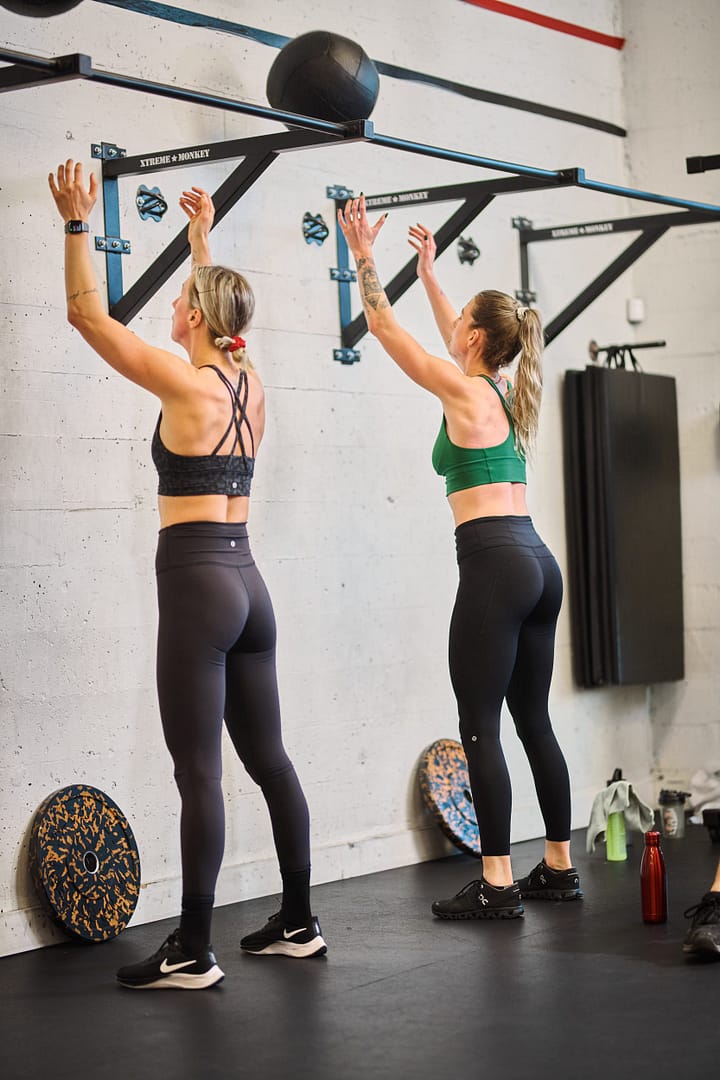
When you think about the benefits of exercise, stronger muscles, better cardiovascular fitness, and more energy probably come to mind. But your digestive system can benefit from regular movement, too. Exercise for better digestion is about building habits that support bowel regularity, help manage stress, and complement good nutrition.
At BPM Fitness Centre, we believe functional fitness should support everyday life. Whether you enjoy strength training, group fitness classes, or personal training, staying active can be one useful part of looking after your gut.
How Does Exercise Help Digestion?
Digestion involves breaking down food, absorbing nutrients, and moving waste through your gastrointestinal tract. Your intestines use coordinated muscle contractions to move their contents along, a process called motility.
Regular physical activity may support bowel function and help reduce constipation. However, exercise does not automatically make every stage of digestion faster, and each person responds differently.
A 2024 systematic review of cohort studies found that higher physical activity levels were associated with a lower risk of constipation. Because these studies were observational, they show a relationship rather than proving that exercise alone caused the improvement.
The practical takeaway? If you spend much of your day sitting, adding regular movement is a sensible place to start.
Movement Can Support Bowel Regularity
Constipation can leave you feeling uncomfortable, bloated, and frustrated. Alongside adequate fibre and fluids, regular physical activity is one of the lifestyle strategies recommended by the National Institute of Diabetes and Digestive and Kidney Diseases.
You do not need an exhausting workout to begin. Walking, comfortable cycling, and gradually increasing your daily activity can help you establish a routine.
Try a relaxed walk after a meal or break up long periods at your desk with short movement breaks. These are practical ways to become more active, although neither guarantees immediate relief.
At BPM, personal training in Victoria can help you develop an exercise schedule that suits your starting point. For digestive health, consistency matters more than chasing your hardest workout every day.
Exercise and the Gut Microbiome
Your gut microbiome is the community of microorganisms living in your digestive tract. These microbes help process certain food components and interact with your immune system.
Researchers are exploring how exercise influences this community. A 2024 systematic review and meta-analysis of 25 studies found that exercise interventions produced a small increase in one measure of gut microbial diversity.
That is promising, but a more diverse microbiome does not automatically mean better digestion for every person. Responses vary, and researchers still need to establish which changes lead to meaningful health benefits.
Think of exercise as one part of supporting gut health, alongside varied nutrition, sufficient sleep, and appropriate medical care. There is no single workout that “resets” your microbiome.
The Gut-Brain Connection Matters
Have you ever noticed your stomach feels different when you are stressed? Your brain and digestive system communicate through the gut-brain axis, and stress can influence digestive symptoms.
Movement can be a useful part of a stress-management routine. For people with irritable bowel syndrome, or IBS, the National Institute of Diabetes and Digestive and Kidney Diseases includes increasing physical activity among potential treatment strategies.
This does not mean digestive symptoms are imaginary or that exercise cures IBS. It means that caring for your overall wellbeing can complement an individualized treatment plan.
BPM’s welcoming environment gives you somewhere to focus on movement, connect with others, and build a routine you enjoy.
Which Workouts Are Best for Digestive Health?
There is no universal best exercise for digestion. Start with activities you tolerate comfortably and can repeat consistently.
Walking and moderate aerobic activity are accessible options. Strength training supports your broader fitness and physical function, although evidence for directly improving constipation is stronger for some aerobic activities than for lifting.
Explore BPM’s fitness classes to find a format that matches your interests. Strength, Cross Conditioning, HIIT, Bootcamp, and HYROX offer different training experiences. Let your coach know if digestive discomfort affects your session so they can help adjust the workout.
Why Harder Is Not Always Better
Intense or prolonged exercise can sometimes cause nausea, cramps, reflux, or an urgent bathroom visit. During demanding exercise, blood flow shifts toward working muscles, and heat, dehydration, and running’s repetitive impact can contribute to gastrointestinal symptoms.
If you are preparing for HYROX or increasing your running, build training gradually. Allow comfortable digestion time after larger meals and practise your food and fluid choices during training.
Avoid experimenting with unfamiliar supplements or meals immediately before an important workout. Track what works for you rather than copying someone else’s routine.
Build Better Digestion Into Your BPM Routine
Start with manageable movement, drink water regularly, and increase fibre gradually if your current intake is low. Pair your training with meals that provide enough energy for your activity.
Persistent digestive problems deserve assessment, particularly if you notice blood in your stool, unexplained weight loss, or significant pain.
Ready to make movement part of your everyday wellbeing? Contact BPM Fitness Centre to explore personal training and group fitness in Victoria. We will help you build a sustainable routine that supports your fitness, confidence, and overall health.
References
- Cui, J., Xie, F., Yue, H., Xie, C., Ma, J., Han, H., Fang, M., & Yao, F. (2024). Physical activity and constipation: A systematic review of cohort studies. Journal of Global Health, 14, Article 04197. https://pubmed.ncbi.nlm.nih.gov/39575759/
- Min, L., Ablitip, A., Wang, R., Luciana, T., Wei, M., & Ma, X. (2024). Effects of exercise on gut microbiota of adults: A systematic review and meta-analysis. Nutrients, 16(7), Article 1070. https://pubmed.ncbi.nlm.nih.gov/38613103/
- Nunan, D., Cai, T., Gardener, A. D., Ordóñez-Mena, J. M., Roberts, N. W., Thomas, E. T., & Mahtani, K. R. (2022). Physical activity for treatment of irritable bowel syndrome. Cochrane Database of Systematic Reviews, 2022(6), Article CD011497. https://pubmed.ncbi.nlm.nih.gov/35766861/
- Costa, R. J. S., Gaskell, S. K., Henningsen, K., Jeacocke, N. A., Martinez, I. G., Mika, A., Scheer, V., Scrivin, R., Snipe, R. M. J., Wallett, A. M., & Young, P. (2025). Sports Dietitians Australia and Ultra Sports Science Foundation joint position statement: A practitioner guide to the prevention and management of exercise-associated gastrointestinal perturbations and symptoms. Sports Medicine, 55(5), 1097–1134. https://pubmed.ncbi.nlm.nih.gov/40195264/